Analyzing crypto lending risks
Crypto lending infrastructure sits at the intersection of high yield and structural fragility. For 2026, the primary challenge is not finding yield, but identifying where that yield is backed by real cash flows versus mere liquidity illusions. Retail investors face significant risks, including loss of ownership and liquidity traps, as noted by Better Markets in their analysis of retail harm. The SEC’s recent regulatory focus further underscores that many lending products operate in a gray area of securities law, creating compliance and custodial risks that traditional finance models do not fully address.
To navigate this landscape, you must look beyond the advertised APY. The core of your analysis should focus on three areas: the source of yield, the transparency of reserve ratios, and the legal structure of the loan. Without these checks, you are essentially gambling on the solvency of an opaque intermediary rather than investing in a productive asset.
Crypto lending analysis choices that change the plan
Choosing a crypto lending strategy requires balancing yield against structural risk. The market has shifted from opaque, unregulated platforms to infrastructure that relies on on-chain transparency and institutional custody. Before allocating capital, you must evaluate the specific mechanics of the loan, the stability of the collateral, and the legal recourse available in a default scenario.
Collateralization and liquidation risk
The most immediate risk in crypto lending is the volatility of the underlying assets. Lending platforms typically require overcollateralization, meaning borrowers must deposit more value than they borrow. If the collateral price drops, the platform may liquidate the assets to cover the loan. This process can be abrupt and costly for the borrower, especially in illiquid markets.
Counterparty and custody risk
Unlike traditional bank deposits, crypto assets held on lending platforms are rarely insured by government entities like the FDIC. If the lending platform fails or is hacked, your assets may be lost. Even with institutional custodians, smart contract vulnerabilities or operational errors can lead to significant losses. It is crucial to understand who holds the private keys and how they are secured.
Yield sustainability and regulatory scrutiny
High yields in crypto lending often signal higher risk or unsustainable business models. Regulators, including the SEC, have scrutinized these products for securities violations and consumer protection failures. Platforms that promise guaranteed returns may be engaging in risky lending practices or Ponzi-like structures. Sustainable yields typically come from real economic activity, such as institutional borrowing for leverage, rather than inflated interest rates.
| Factor | DeFi Protocol | Centralized Platform | Institutional Venue |
|---|---|---|---|
| Collateral Type | Overcollateralized (Crypto) | Mixed (Crypto/Fiat) | Undercollateralized (Credit-based) |
| Liquidation Speed | Automatic/Instant | Manual/Variable | Negotiated/Court |
| Insurance Coverage | Protocol Funds Only | Rarely Insured | Private/Corporate |
| Regulatory Oversight | Minimal/None | Varies by Jurisdiction | High/Strict |
| Transparency | On-chain/Public | Internal Audits | Regulatory Filings |
Evaluating these tradeoffs helps you avoid common pitfalls. Always prioritize platforms with audited smart contracts, clear legal frameworks, and transparent reserve proofs. The goal is not just to find the highest yield, but to ensure the safety of your principal in a volatile market.
How to evaluate crypto lending infrastructure
Choosing a lending platform requires moving beyond yield percentages to examine the underlying mechanics. The SEC and consumer protection groups highlight that crypto lending often involves losing custody of assets, creating liquidity risks that traditional bank deposits do not have. A robust infrastructure decision framework must prioritize transparency, legal structure, and technical safeguards over headline APY.
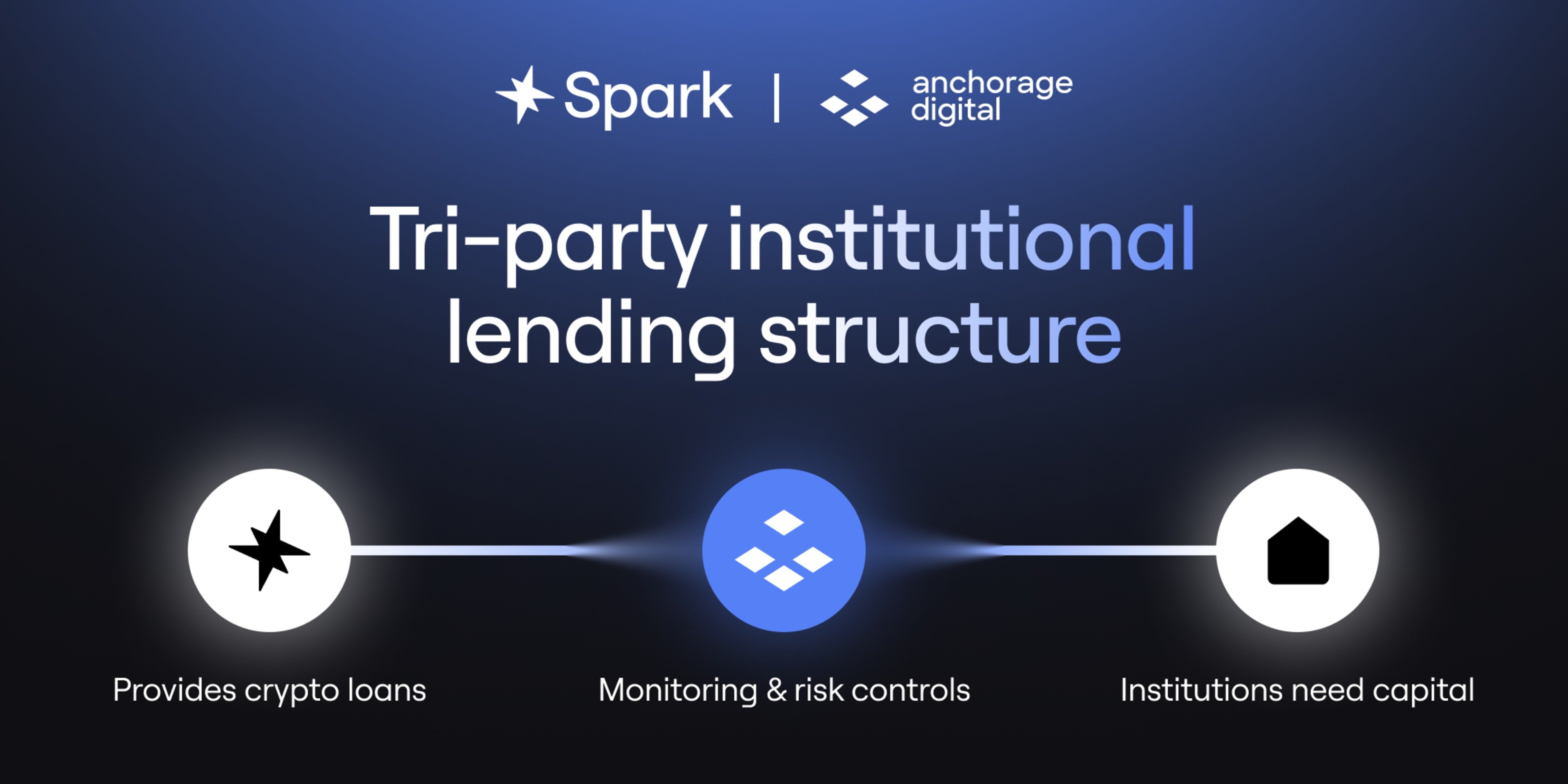
Start by confirming whether the platform operates under a licensed banking charter, a money transmitter license, or as an unregistered exchange. Unlicensed platforms pose significant regulatory risks. Check if your assets are held in segregated accounts or pooled with the platform’s proprietary trading book. Segregation is a baseline requirement for protecting your principal.

If the lending is on-chain, review the smart contract audit reports from reputable firms like OpenZeppelin or Trail of Bits. Look for recent audits and whether known vulnerabilities have been patched. On-chain lending lacks a central entity to call for help, so code security is your primary insurance.

Examine the platform’s liquidity reserves and withdrawal processing times. Some platforms impose lock-up periods or withdrawal caps during high volatility. Ensure you can exit your position quickly without significant slippage or penalties. Liquidity risk is a primary concern for retail investors, as highlighted by Better Markets.

Determine if the platform offers deposit insurance or a rescue fund. Traditional banks use FDIC or SIPC insurance; crypto platforms rarely offer equivalent protection. If the platform lends your assets to third parties, understand their creditworthiness and collateralization ratios. A highly leveraged counterparty increases the risk of total loss.


As an Amazon Associate, we may earn from qualifying purchases.
Critical risk factors to monitor
Even with a strong infrastructure, ongoing monitoring is essential. The crypto lending landscape changes rapidly, with new protocols launching and existing ones facing regulatory scrutiny. Stay informed about regulatory updates from the SEC and CFTC, as these can impact platform operations and asset accessibility.
Conclusion
Building a strategic crypto lending infrastructure requires a disciplined approach to risk management. By verifying regulatory status, auditing technical safeguards, assessing liquidity, and monitoring counterparty risk, investors can plan around the complex landscape more safely. Remember, higher yields often correlate with higher risks; prioritize the preservation of capital over maximizing returns.
Spotting Weak Crypto Lending Options
The current crypto lending landscape is saturated with yield products that mask structural risks. While high annual percentage yields (APY) attract capital, they often signal fragile liquidity or uncollateralized exposure. Regulatory bodies, including the SEC, have flagged these products for lacking standard consumer protections, such as FDIC insurance or clear bankruptcy hierarchies.
When evaluating lending infrastructure, prioritize transparency over headline yields. Look for on-chain proof of reserves and clear documentation of how borrower funds are deployed. Avoid platforms that obscure their counterparty relationships or offer "guaranteed" returns, which are historically unsustainable in decentralized finance.
Key Red Flags to Avoid
- Unrealistic APYs: Yields exceeding 10-15% without a clear, auditable source of revenue (like real-world asset interest) are often unsustainable and risky.
- Lack of Audits: Platforms without recent, third-party smart contract audits or financial statements should be avoided.
- Opaque Counterparties: If you cannot identify who is borrowing your assets or how they are secured, the risk of loss is significant.
Practical Due Diligence Steps
- Verify On-Chain Data: Use block explorers to check if the platform’s claimed reserves match actual on-chain balances.
- Check Regulatory Status: Ensure the platform is registered or compliant in your jurisdiction. The SEC has taken action against several unregistered lending platforms.
- Diversify Exposure: Never allocate more than a small percentage of your portfolio to any single lending protocol.
The Role of Technical Analysis
While fundamental due diligence is critical, technical analysis can help identify timing risks. Monitor the price action of the underlying lending token or the platform’s native token for signs of stress.
Note: This chart illustrates the volatility of a major crypto-exchange stock, which often correlates with lending platform stability. Always verify the specific token or asset relevant to the lending product you are evaluating.
Crypto lending analysis: what to check next
Navigating crypto lending requires distinguishing between platform mechanics and underlying asset risk. The following questions address the practical tradeoffs involved in yield generation and capital preservation.
No comments yet. Be the first to share your thoughts!