Crypto lending strategy limits to account for
The promise of high yields in 2026 masks a structural reality: crypto lending is not a passive income stream but a complex risk management exercise. Unlike traditional savings accounts, lending protocols expose capital to smart contract bugs, liquidation cascades, and the inherent volatility of the underlying collateral. Your strategy must prioritize capital preservation over yield maximization, treating every loan as a secured position rather than an investment.
The core constraint lies in the over-collateralization model. To borrow, you must lock up assets worth more than the loan itself, typically at a ratio of 110% to 150% [[src-serp-1]][[src-serp-2]]. This means if the value of your collateral drops, you face immediate liquidation. For example, borrowing against volatile assets like XRP requires a significantly larger buffer than stablecoins, as price swings can trigger forced sales before you can react.
This dynamic creates a narrow window for profitability. The spread between the yield you earn and the risk of default must be substantial enough to offset potential losses. In a high-interest rate environment, the cost of borrowing rises, squeezing the margins for lenders. Therefore, a viable 2026 strategy focuses on identifying under-collateralized risks in real-world asset (RWA) pools and avoiding protocols with opaque reserve mechanics.
Success depends on rigorous due diligence. Instead of chasing the highest APY, analyze the protocol's audit history, the quality of the underlying collateral, and the liquidity depth of the lending market. Remember that in crypto lending, the yield is often a premium for taking on the risk of total loss.
Crypto lending strategy choices that change the plan
Choosing where to park capital for crypto lending requires weighing yield against the specific risks of the underlying infrastructure. There is no single "best" platform; the right choice depends on whether you prioritize regulatory safety, yield maximization, or asset liquidity. Below is a comparison of the primary lending environments available in 2026, followed by a technical view of the underlying asset volatility that drives these risks.
| Platform Type | Typical Yield | Primary Risk | Liquidity |
|---|---|---|---|
| CEX Lending | 2–5% APY | Counterparty insolvency | High (instant withdrawal) |
| DeFi Protocols | 4–12% APY | Smart contract bugs | Variable (pool depth) |
| RWA Tokenization | 5–8% APY | Regulatory shifts | Low (secondary markets) |
| Crypto-Backed Loans | N/A (borrower pays) | Liquidation cascades | High (if overcollateralized) |
The table above highlights the core tension: higher yields generally correlate with lower regulatory oversight and higher smart contract exposure. Centralized exchanges (CEXs) offer the convenience of familiar interfaces but concentrate risk in a single entity. DeFi protocols offer transparency but require users to manage their own security and understand complex liquidation mechanics. Real-World Asset (RWA) lending sits in the middle, offering traditional finance yields but introducing regulatory ambiguity.
Volatility remains the silent killer of lending strategies. Even if a protocol is solvent, a sharp drop in collateral value can trigger automatic liquidations, wiping out principal. The chart above shows Bitcoin’s recent price action, illustrating how quickly collateral ratios can deteriorate. Lenders must account for this volatility by preferring overcollateralized loans or platforms with robust risk management buffers.
Build Your Crypto Lending Strategy
A profitable crypto lending strategy requires balancing yield potential against infrastructure risks. Real-world asset (RWA) protocols offer lower volatility but demand careful counterparty due diligence, while pure DeFi lending provides higher returns but exposes capital to smart contract vulnerabilities and liquidation cascades.
To navigate these risks, apply this five-step framework to evaluate any lending opportunity:

Audit the smart contract history and audit firms before depositing funds. Prioritize protocols with multi-sig governance and transparent treasury management. Avoid unaudited or forked contracts with limited community scrutiny.
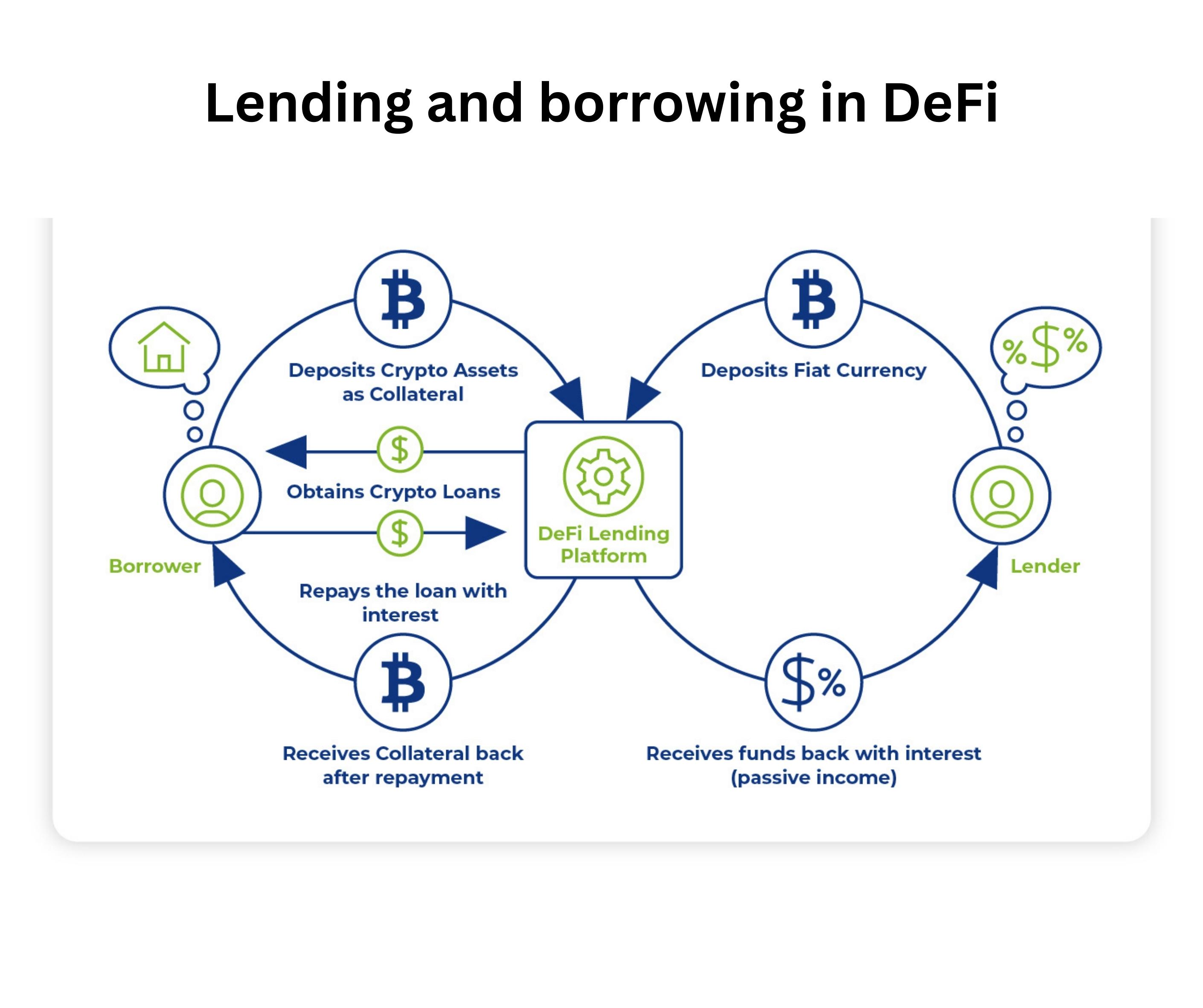
Determine if the loan-to-value (LTV) ratio provides a sufficient buffer against price volatility. For volatile assets like altcoins, seek LTVs below 50% to avoid liquidation during market dips. Stablecoin pairs often allow higher LTVs due to lower correlation risk.
Do not concentrate capital in a single protocol or asset class. Split exposure between RWA-backed loans, blue-chip DeFi lending markets, and centralized lending providers to mitigate single-point-of-failure risks.
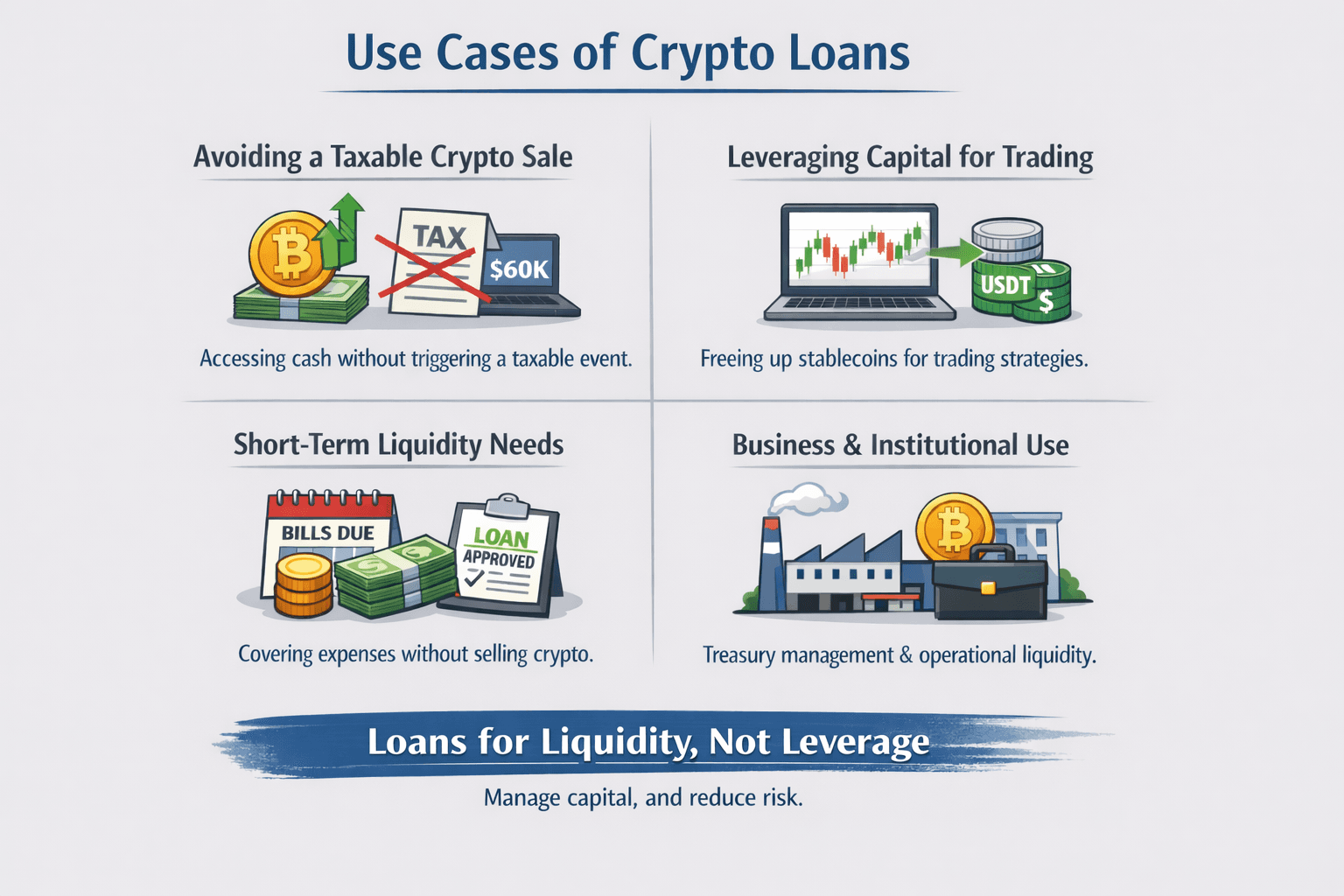
Check the total value locked (TVL) and daily borrowing volume. Low liquidity pools can lead to slippage when withdrawing or closing positions. Ensure the protocol has sufficient depth to handle your exit size without significant price impact.

Subtract protocol fees, gas costs, and potential tax implications from the gross APY. Many high-yield listings mask the true return with token incentives that depreciate quickly. Focus on sustainable, fee-based yields rather than inflationary token rewards.
By following these steps, you can construct a lending strategy that protects your capital while capturing yield in a high-stakes market.
Common Pitfalls in Crypto Lending
Even with real-world asset (RWA) yields offering stability, the lending landscape remains fraught with traps. Distinguishing between legitimate infrastructure and misleading marketing requires more than just scanning APY headers. Below are the most frequent errors that erode returns or compromise principal.
Overlooking Collateralization Ratios
DeFi lending protocols require borrowers to post collateral worth more than the loan itself. This over-collateralization protects lenders but exposes borrowers to liquidation if asset prices drop too sharply. Ignoring the liquidation threshold is a primary reason for sudden position closure.
Chasing Unsustainable Yields
High APYs often signal high risk or temporary incentives rather than organic yield. When yields exceed the underlying asset’s natural return, the surplus usually comes from token emissions that eventually devalue. Treat yields above market averages as red flags, not opportunities.
Neglecting Smart Contract Risk
Code vulnerabilities can lead to total loss of funds, regardless of the underlying asset’s quality. Audits reduce but do not eliminate this risk. Relying solely on audit reports without checking the protocol’s track record or insurance coverage is a critical oversight.
Misunderstanding RWA Structure
Real-world assets introduce legal and custody risks absent in pure crypto lending. The link between on-chain tokens and off-chain legal claims is often opaque. If the underlying asset defaults or the custodian fails, recovering funds on-chain is rarely straightforward.
Crypto lending strategy: what to check next
Before committing capital to RWA yields or DeFi protocols, you need to understand the mechanics of risk and reward. Below are practical answers to the most common questions about lending strategies.
No comments yet. Be the first to share your thoughts!