Crypto lending strategy limits to account for
Use this section to make the Crypto Lending Strategy decision easier to compare in real life, not just on paper. Start with the reader's actual constraint, then separate must-have requirements from details that are merely nice to have.
A practical choice should survive normal use, maintenance, timing, and budget. If a recommendation only works in an ideal situation, call that out plainly and give the reader a fallback path.
The simplest way to use this section is to write down the must-have criteria first, then compare each option against those criteria before weighing nice-to-have features.
Crypto lending strategy choices that change the plan
Use this section to make the Crypto Lending Strategy decision easier to compare in real life, not just on paper. Start with the reader's actual constraint, then separate must-have requirements from details that are merely nice to have.
A practical choice should survive normal use, maintenance, timing, and budget. If a recommendation only works in an ideal situation, call that out plainly and give the reader a fallback path.
| Factor | What to check | Why it matters |
|---|---|---|
| Fit | Match the option to the primary use case. | A good deal still fails if it does not fit the job. |
| Condition | Verify age, wear, and service history. | Hidden condition issues erase upfront savings. |
| Cost | Compare purchase price with likely upkeep. | The cheapest option is not always the lowest-cost option. |
Choose the next step
Crypto Lending Strategy works best as a clear sequence: define the constraint, compare the realistic options, test the tradeoff, and choose the path with the fewest hidden costs. That order keeps the advice usable instead of decorative.
After each step, pause long enough to check whether the recommendation still fits the reader's actual situation. If it depends on perfect timing, unusual access, or a best-case budget, include a simpler fallback.
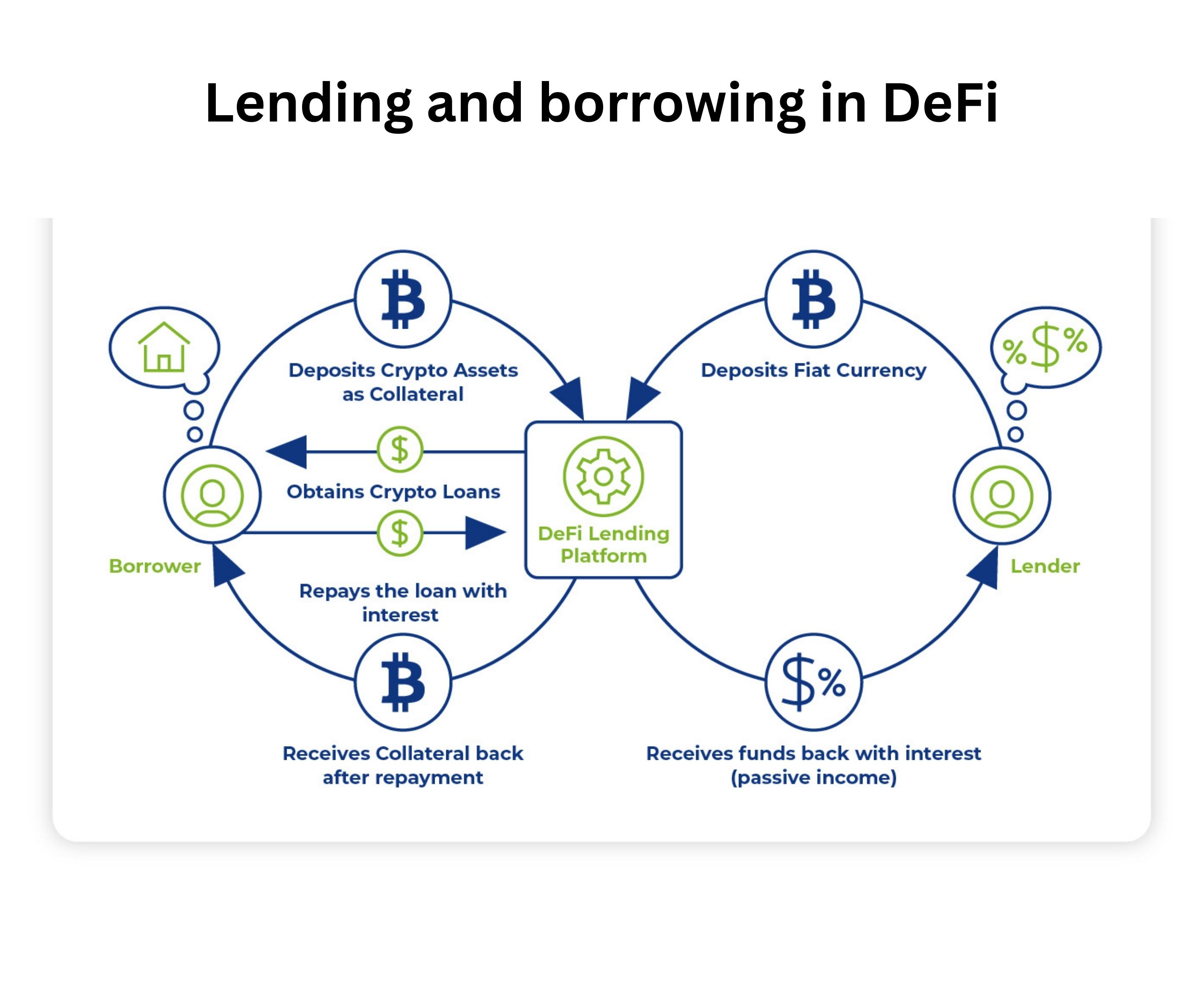


Watchouts: Avoid Weak Crypto Lending Options
Most crypto lending guides ignore the infrastructure risks hiding in plain sight. A platform might offer 10% APY, but if the underlying protocol lacks transparency or the collateral is volatile, you are gambling, not lending. The best platforms for crypto lending in 2026 are those that prioritize audited code and real-time risk data over flashy yield numbers.
The "Too Good to Be True" Yield Trap
High yields often signal high risk, not innovation. Many platforms promise double-digit returns by lending to unverified borrowers or using complex, unaudited smart contracts. If a yield seems disconnected from market rates, it likely is. Always check the source of the yield. Is it coming from genuine borrowing demand, or is it an inflationary token reward that will crash?
Collateral Liquidation Risks
DeFi lending requires over-collateralization. You must deposit more value than you borrow, usually at least 150% of the loan value. If the market drops, your collateral gets liquidated instantly. This is not a bug; it is a feature designed to protect lenders. But it means you can lose your entire deposit if you do not monitor your position closely. Use platforms with transparent liquidation thresholds and real-time alerts.
Platform Centralization and Custody
Not all "DeFi" lending is decentralized. Many platforms hold your funds in centralized wallets. If the platform is hacked or goes bankrupt, you lose everything. Look for platforms that allow you to retain custody of your assets or use multi-signature wallets. The best crypto lending platforms minimize counterparty risk by being truly decentralized.
Regulatory Uncertainty
The regulatory landscape is shifting. Platforms operating in gray areas may face sudden shutdowns or asset freezes. Stick to platforms with clear legal structures and compliance measures. Avoid platforms that promise anonymity or operate without any jurisdictional oversight.
Data-Driven Due Diligence
Before lending, analyze the platform's on-chain data. Look at total value locked (TVL), user growth, and historical stability. Use tools like DefiLlama to compare platforms. Don't rely on marketing claims. Check the platform's audit reports and community sentiment. A platform with a strong, active community and regular audits is generally safer than one with a large TVL but no track record.
The Bottom Line
Crypto lending can be profitable, but it is risky. The best platforms for crypto lending in 2026 are those that offer transparency, security, and realistic yields. Avoid platforms that promise easy money. Do your due diligence, understand the risks, and only lend what you can afford to lose.
Crypto lending strategy: what to check next
Can you make money with crypto lending?
Yes, but returns vary significantly by market conditions and protocol. Lenders earn interest from borrowers who pledge collateral, while borrowers access liquidity without selling their assets. Yields depend on the specific token’s demand and the platform’s fee structure.
Is crypto lending risky?
Crypto lending carries distinct risks compared to traditional banking. Smart contract vulnerabilities can lead to exploits, while market volatility may trigger liquidations if collateral value drops below required thresholds. Unlike insured bank accounts, most DeFi and centralized lending platforms do not offer deposit insurance.
Can I borrow against XRP?
Most major lending platforms support XRP as eligible collateral, allowing you to borrow stablecoins or other cryptocurrencies against your holdings. However, loan-to-value ratios and acceptance policies vary by provider. You must ensure the platform lists XRP in its active collateral markets before initiating a loan.
What is the best crypto lending platform?
There is no single "best" platform; the right choice depends on your risk tolerance and asset profile. Centralized exchanges often offer higher yields with custodial risk, while decentralized protocols provide self-custody with smart contract exposure. Compare interest rates, liquidity depth, and security audits before selecting a provider.
No comments yet. Be the first to share your thoughts!