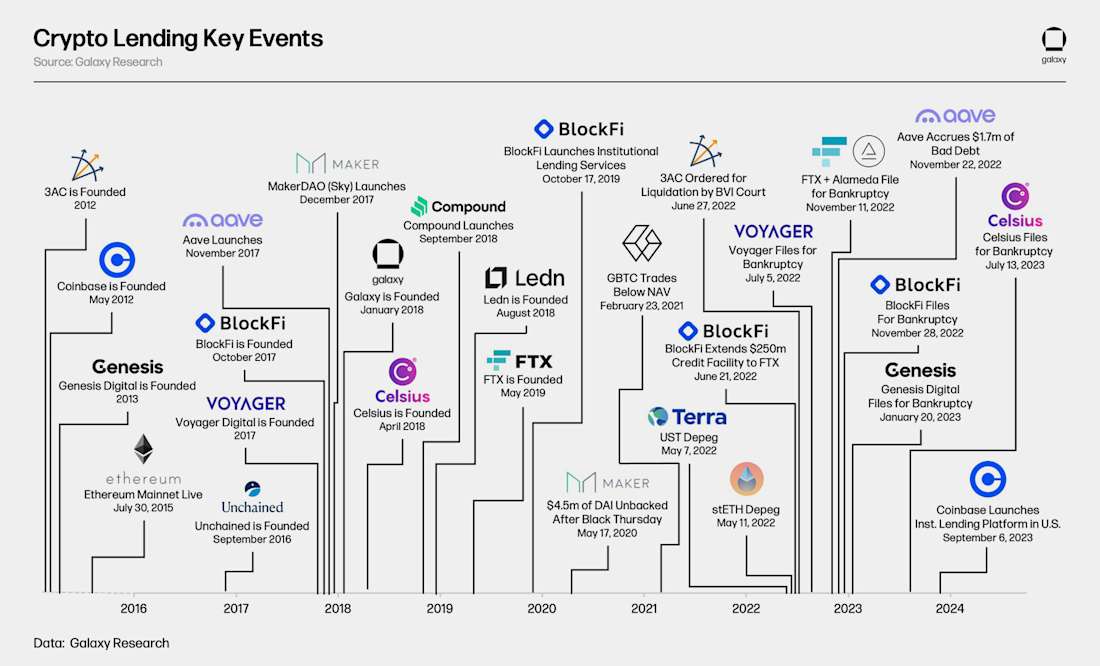
Market size and infrastructure shifts
The crypto lending landscape is stabilizing, but the scale is different now. The market is valued at approximately $12.69 billion in 2026, with projections pointing toward $25.06 billion by 2030. This growth, driven by an 18.5% compound annual growth rate, reflects a sector moving past the speculative excesses of previous cycles. The volume is there, but the foundation is changing.
This shift is structural. The collapse of major centralized entities like Celsius and BlockFi removed a significant chunk of unregulated leverage from the system. In its place, infrastructure is becoming more transparent and compliant. Regulators are no longer ignoring this space; they are mapping it. The focus has moved from anonymous, high-yield promises to verifiable reserves and audited protocols. This isn't just about survival—it's about integration into the broader financial architecture.
To understand the current volatility that underpins these lending rates, it helps to look at the underlying asset performance. Bitcoin's price action remains the primary driver for collateralization ratios and lending liquidity across both centralized and decentralized platforms.
The data suggests that while the total addressable market is expanding, the players remaining are those who can prove solvency in real-time. The era of "trust us" is over; the era of "verify us" is here.
CeFi dominance and DeFi alternatives
Centralized finance (CeFi) still commands the largest share of crypto lending, largely because established platforms like Tether and Nexo have built deep liquidity pools and brand trust. However, this dominance comes with a hidden cost: counterparty risk. When you lend to a centralized entity, you are betting on their solvency and regulatory compliance, not just the underlying asset's performance.
Decentralized finance (DeFi) protocols offer a different risk-return profile. Instead of relying on a company's balance sheet, DeFi lending relies on smart contracts and over-collateralization. While yields can be volatile and protocols are susceptible to code exploits, the custody model is transparent. The trade-off is clear: CeFi offers convenience and potentially higher yields through off-chain leverage, while DeFi offers self-custody and transparency at the cost of complexity and smart contract risk.
The following comparison highlights the structural differences between these two lending models.
| Feature | CeFi (e.g., Tether, Nexo) | DeFi (e.g., Aave, Compound) |
|---|---|---|
| Custody Model | Platform holds keys (custodial) | User holds keys (non-custodial) |
| Yield Source | Off-chain lending, arbitrage | On-chain borrowing fees, incentives |
| Regulatory Status | Varies (often unregulated offshore) | Generally unregulated, code-based |
| Primary Risk | Counterparty insolvency, fraud | Smart contract bugs, liquidations |
| Transparency | Limited (internal audits) | Full (on-chain verifiable) |
Regulatory scrutiny and legal risks
The regulatory landscape for crypto lending is shifting from a period of ambiguity to one of aggressive enforcement. In 2026, the primary concern for the industry is no longer just technological stability, but the legal classification of crypto assets and the protection of retail investors. Regulatory bodies like the SEC and the IMF are moving to close loopholes that allowed lending platforms to operate as unregistered securities exchanges.
The SEC has made its position clear: many crypto lending products constitute investment contracts. In a recent correspondence with the Token Engineering and Development Coalition (TDC), the Commission outlined how various lending services could be categorized under existing securities laws. The core issue is that when users deposit assets to earn yield, they are often relying on the efforts of a third party to manage risk and distribute profits. This structure triggers federal securities regulations, meaning platforms must register or find an applicable exemption.
Beyond the US, international bodies are standardizing how these activities are recorded and taxed. The International Monetary Fund (IMF) has released guidance on recording crypto lending-borrowing in macroeconomic statistics. This move signals that governments are no longer treating crypto lending as a niche, off-book activity. Instead, it is being integrated into formal financial data, which paves the way for stricter capital requirements and reporting standards globally.
For investors, this means the "wild west" era of high-yield, unregulated lending is effectively over. Platforms that cannot prove they are compliant with securities laws or that offer products indistinguishable from unregistered securities are facing existential threats. The legal risk is no longer hypothetical; it is a daily operational reality that determines which platforms survive and which are shut down.
Yield trends and borrowing costs
The days of double-digit, risk-free yields are gone. In 2026, crypto lending rates have normalized, mirroring the broader macroeconomic environment. Lenders are no longer chasing inflated returns; they are assessing real risk. Borrowers, meanwhile, face tighter liquidity and higher collateral requirements. Understanding this shift is critical for anyone navigating the current market.
Interest rates on major stablecoins like USDC have settled near the federal funds rate, minus a small spread for platform overhead. This isn't a crash; it's a correction. The era of unsustainable subsidies has ended, leaving only platforms with genuine revenue models. For lenders, this means lower but more predictable income. For borrowers, it means borrowing costs are now tied to real-world asset yields rather than token inflation.
Borrowing costs for volatile assets like Bitcoin and Ethereum remain higher due to liquidation risks. Lenders demand a premium for the possibility of price drops. This premium fluctuates with market volatility. When the market is calm, borrowing rates drop. When fear spikes, rates surge. This dynamic ensures that lenders are compensated for the risk they take on.
To see how these rates move in real-time, it helps to look at the underlying assets. The price of ETH and the value of USDC provide the baseline for these calculations. Tracking these values helps you understand the spread between what you earn and what you pay.
The key takeaway is that crypto lending is no longer a speculative playground. It is a matured market where yields reflect actual risk. Platforms that cannot justify their rates with solid collateral and transparent risk management will struggle. As a lender or borrower, you need to focus on the fundamentals: the health of the platform, the quality of the collateral, and the current macroeconomic backdrop.
If you are looking to borrow, compare rates across multiple platforms. If you are lending, prioritize platforms with strong liquidity and clear risk protocols. The era of easy money is over. The era of informed lending has begun.
Strategic risk management for 2026
The crypto lending landscape in 2026 is defined by a tension between yield opportunity and structural fragility. Regulatory scrutiny from bodies like the SEC has forced protocols to mature, but the underlying risks—liquidity crunches, smart contract vulnerabilities, and sudden policy shifts—remain acute. Managing these risks requires a shift from blind trust in platform promises to rigorous, independent verification of on-chain mechanics.
Liquidity and Smart Contract Defense
Liquidity risk remains the most immediate threat to lenders. During market stress, the ability to withdraw assets can vanish if collateral values drop faster than liquidation mechanisms can act. Protocols rely on interest rate models to balance supply and demand, but these models can fail under extreme volatility. To mitigate this, lenders should prioritize platforms with transparent reserve ratios and diversified collateral pools. Never assume that a high APY is sustainable; it often signals a liquidity trap waiting to snap shut.
Smart contract vulnerabilities persist as a silent killer of capital. Even with audits, code is rarely bug-free. The 2026 infrastructure shift emphasizes modular security, where critical functions are isolated to limit blast radius. Lenders must verify that the protocol’s governance structure allows for rapid upgrades in response to discovered exploits. Relying on a single audit firm is insufficient; look for platforms that employ continuous monitoring and bug bounty programs as standard practice.
Navigating Regulatory Shifts
Regulatory clarity is improving but remains fragmented. The IMF and SEC continue to enforce strict guidelines on consumer protection and market integrity. Lenders must ensure their assets are held in compliant custodial structures that separate user funds from platform operational risks. Avoid platforms that obscure their legal jurisdiction or lack clear terms of service.
For real-time market context, monitor the volatility of major lending assets. High correlation with broader crypto markets means that lending yields can be quickly eroded by asset depreciation.
The key to survival in 2026 is diversification across protocols and jurisdictions. Do not concentrate your lending exposure in a single platform, regardless of its reputation. Treat crypto lending as a high-risk component of a broader portfolio, not a primary savings vehicle. Always verify the on-chain status of your assets directly through block explorers rather than relying on platform dashboards.
Common questions about crypto lending
The 2026 regulatory landscape is tighter, making it harder to distinguish between compliant infrastructure and risky platforms. Here are direct answers to the most frequent questions about legitimacy, platform selection, and rates.
No comments yet. Be the first to share your thoughts!