Crypto lending budget
Crypto Lending works best when the purchase path is explicit. Verify the source, compare the offer against real alternatives, check the total cost, and confirm what happens after payment before you decide. After each comparison, write down the one risk that would change your mind. If the seller, condition, support, warranty, shipping, or upkeep still feels uncertain, resolve that question before moving to checkout.
The simplest way to use this section is to verify the seller, compare the total cost, and resolve the biggest risk before you commit.
Shortlist real options
Crypto Lending works best as a clear sequence: define the constraint, compare the realistic options, test the tradeoff, and choose the path with the fewest hidden costs. That order keeps the advice usable instead of decorative. After each step, pause long enough to check whether the recommendation still fits the reader's actual situation. If it depends on perfect timing, unusual access, or a best-case budget, include a simpler fallback.
| Factor | What to check | Why it matters |
|---|---|---|
| Fit | Match the option to the primary use case. | A good deal still fails if it does not fit the job. |
| Condition | Verify age, wear, and service history. | Hidden condition issues erase upfront savings. |
| Cost | Compare purchase price with likely upkeep. | The cheapest option is not always the lowest-cost option. |
Inspect the expensive parts
Crypto Lending works best as a clear sequence: define the constraint, compare the realistic options, test the tradeoff, and choose the path with the fewest hidden costs. That order keeps the advice usable instead of decorative. After each step, pause long enough to check whether the recommendation still fits the reader's actual situation. If it depends on perfect timing, unusual access, or a best-case budget, include a simpler fallback.

Plan for ownership costs
A low headline price rarely reflects the true cost of holding crypto lending infrastructure. Whether you are running a node, managing hardware wallets, or maintaining a dedicated trading terminal, hidden expenses quickly erode margins. The initial purchase is just the entry fee; the real test is the annual burn rate.
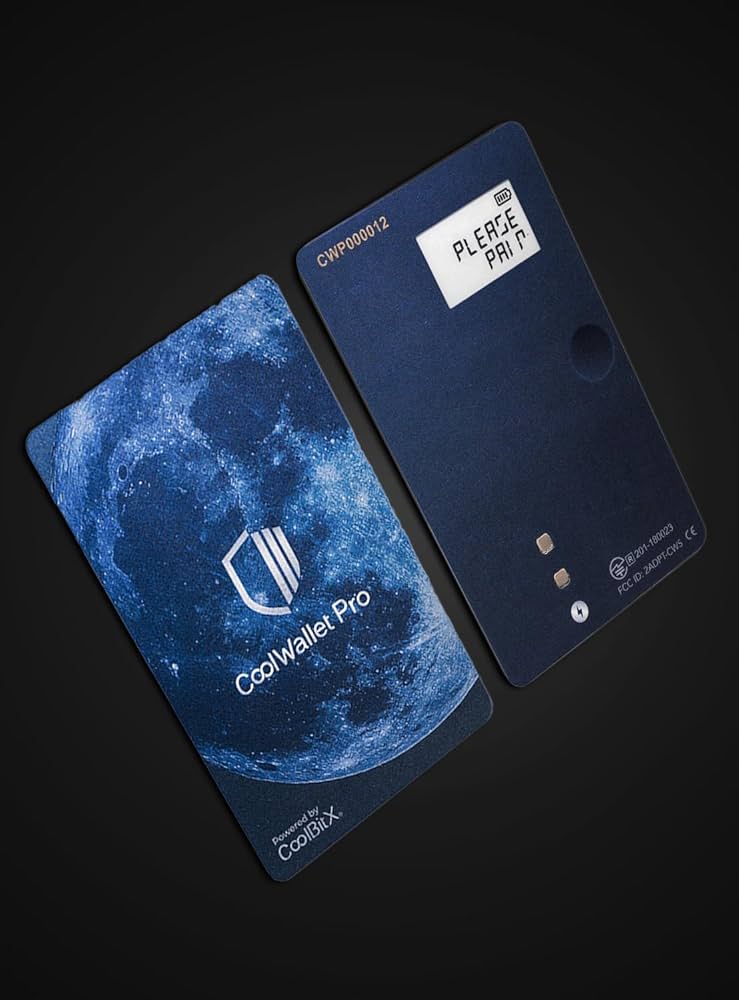
Start by auditing your fixed overhead. Cloud providers charge for uptime, storage, and bandwidth. If you are running a validator node, electricity costs in high-rate regions can turn a profitable operation into a loss maker within months. Similarly, hardware wallets require battery replacements or cable upgrades over time. Factor in these recurring costs before committing capital.
Maintenance surprises are the second silent killer. Firmware updates, security patches, and hardware failures demand immediate attention and often immediate cash. A failed SSD in a hot wallet setup can mean lost access or the need for expensive emergency recovery services. Budget a 10-15% contingency fund annually for repairs, replacements, and unexpected security audits.
When a cheap buy stops being cheap is often a matter of scale. A $50 hardware wallet might suffice for a small portfolio, but as your holdings grow, the cost of securing them with multi-sig setups, air-gapped machines, and professional custody solutions rises exponentially. The cheapest option today often becomes the most expensive liability tomorrow when you factor in risk mitigation and operational complexity.

- Ergonomic design
- Multiple display support
- Cable management

As an Amazon Associate, we may earn from qualifying purchases.
Crypto lending: what to check next
Crypto lending carries distinct risks and mechanics that differ from traditional banking. Before committing capital, you need to understand how yield is generated, how to begin, and what protections exist. This section addresses the most common practical objections readers have before making a decision.
No comments yet. Be the first to share your thoughts!