Crypto lending market research limits to account for
Use this section to make the Crypto Lending Market Research decision easier to compare in real life, not just on paper. Start with the reader's actual constraint, then separate must-have requirements from details that are merely nice to have. A practical choice should survive normal use, maintenance, timing, and budget. If a recommendation only works in an ideal situation, call that out plainly and give the reader a fallback path.
The simplest way to use this section is to write down the must-have criteria first, then compare each option against those criteria before weighing nice-to-have features.
Crypto lending tradeoffs: what to evaluate before depositing
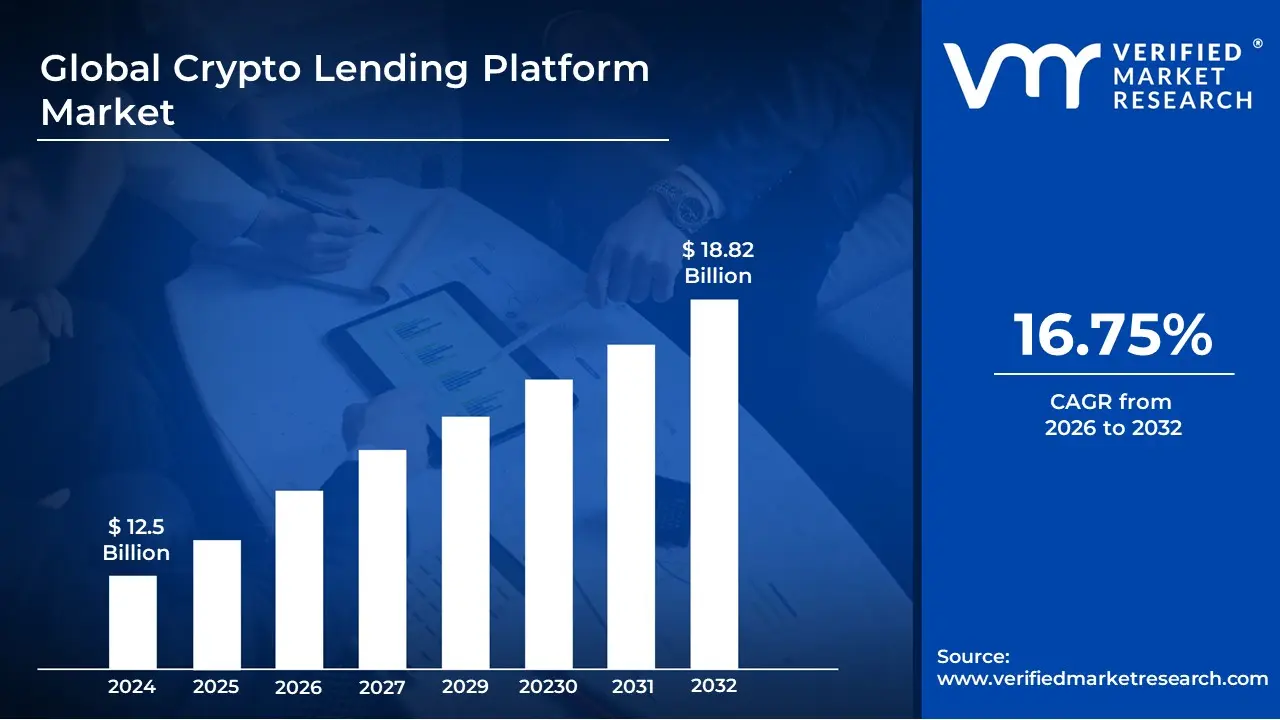
The crypto lending market is expanding rapidly, with the global platform sector valued at $12.69 billion in 2026 and projected to reach $25.06 billion by 2030 [src-serp-2]. However, this growth comes with distinct structural differences between centralized exchanges (CEX) and decentralized finance (DeFi) protocols. Choosing the right vehicle requires comparing liquidity, custody models, and yield sustainability.
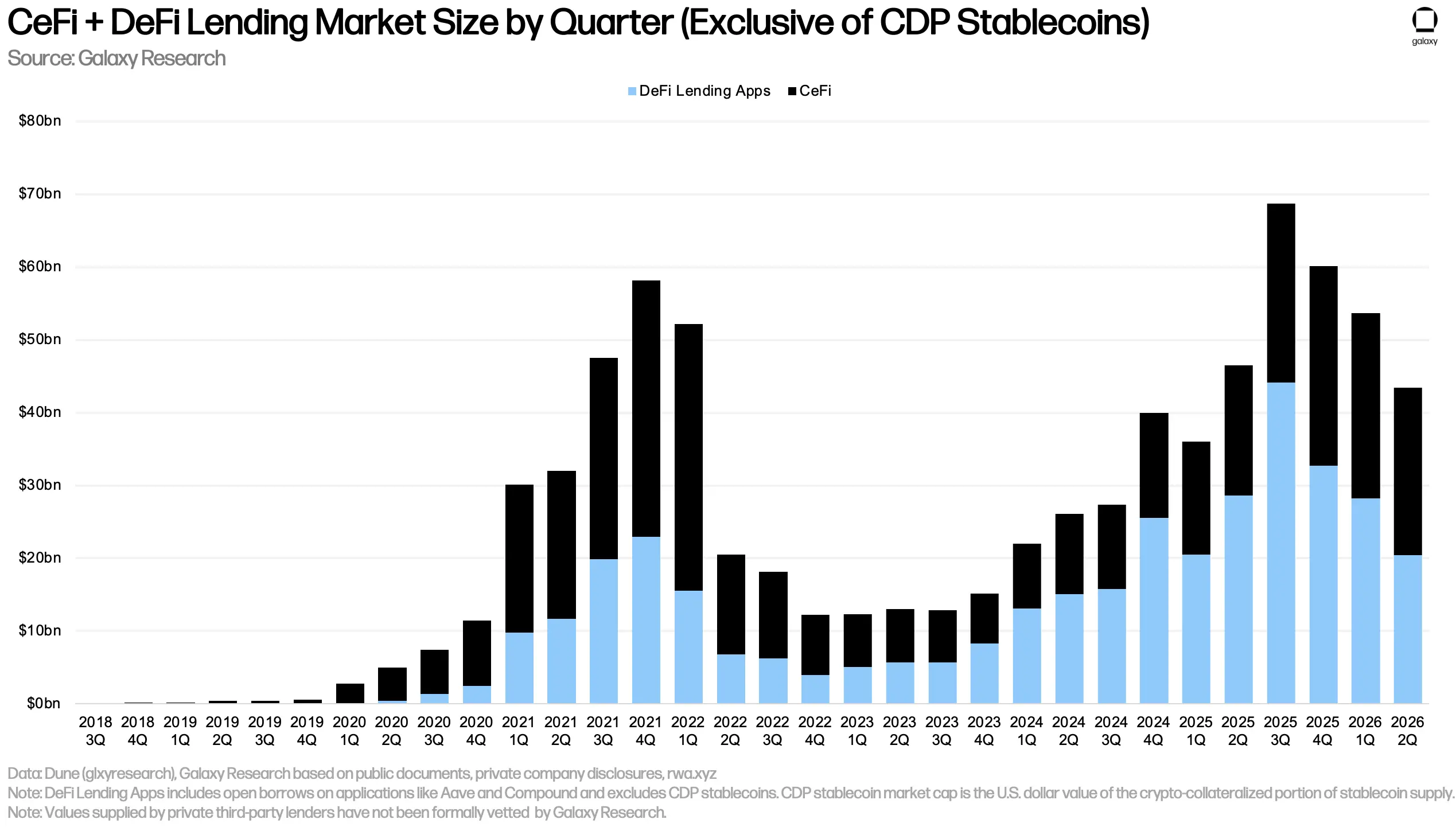
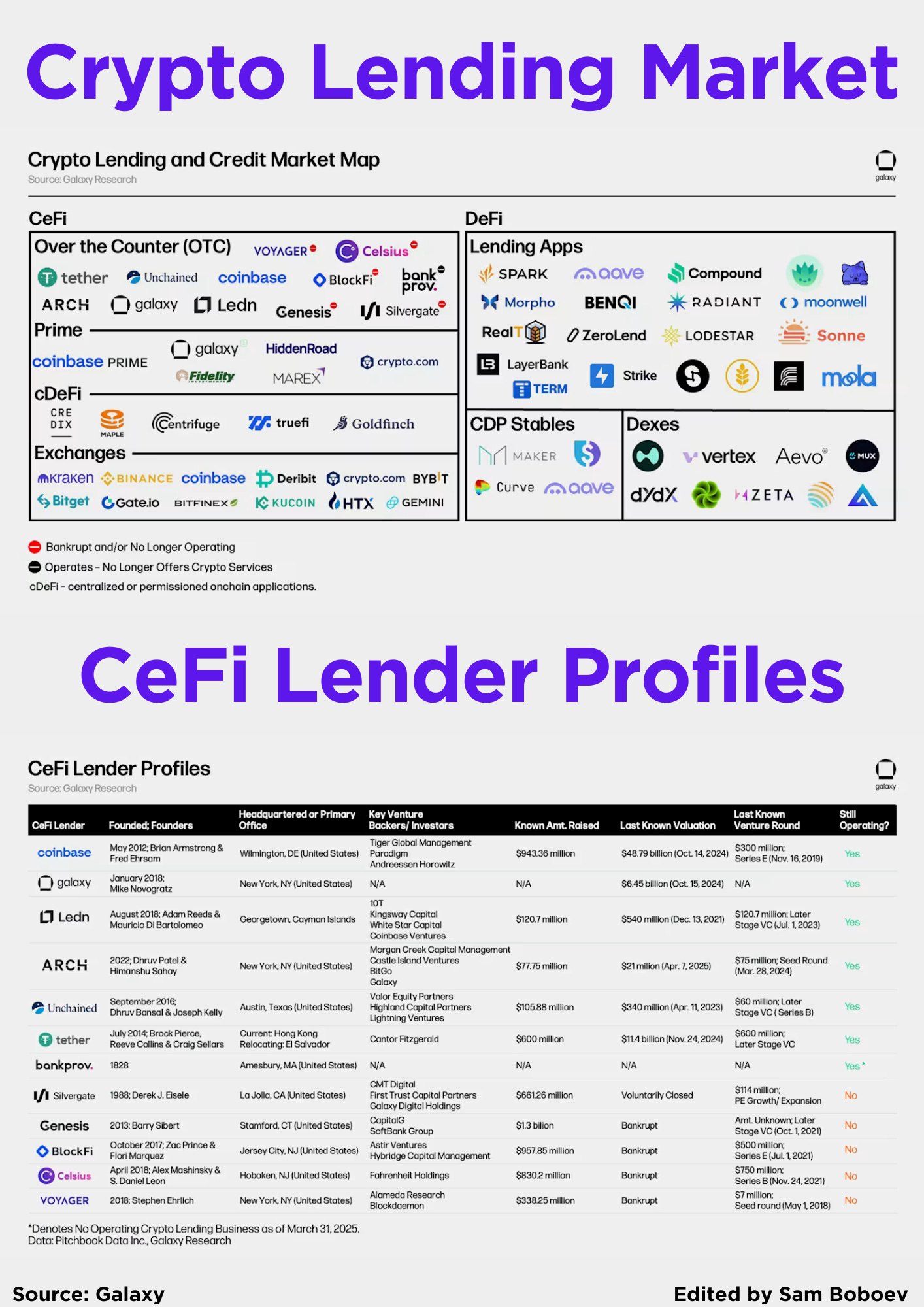
Lending applications now dominate on-chain activity, accounting for over 80% of the market by the end of Q3 2025, while collateralized debt positions (CDPs) have shrunk to 16% from their 53% peak in late 2021 [src-serp-1]. This shift highlights a preference for direct lending over complex leverage structures. Below is a comparison of the primary lending environments to help you evaluate risk.
| Feature | Centralized (CEX) | Decentralized (DeFi) | Risk Profile |
|---|---|---|---|
| Custody | Platform holds keys | User holds keys | Medium |
| Regulatory Compliance | KYC/AML required | Permissionless | Low/High |
| Yield Source | Internal interest spreads | Protocol fees & incentives | Variable |
| Insurance Coverage | Often includes FDIC/SECH | Rarely available | High |
| Liquidation Risk | Automated margin calls | Smart contract execution | High |
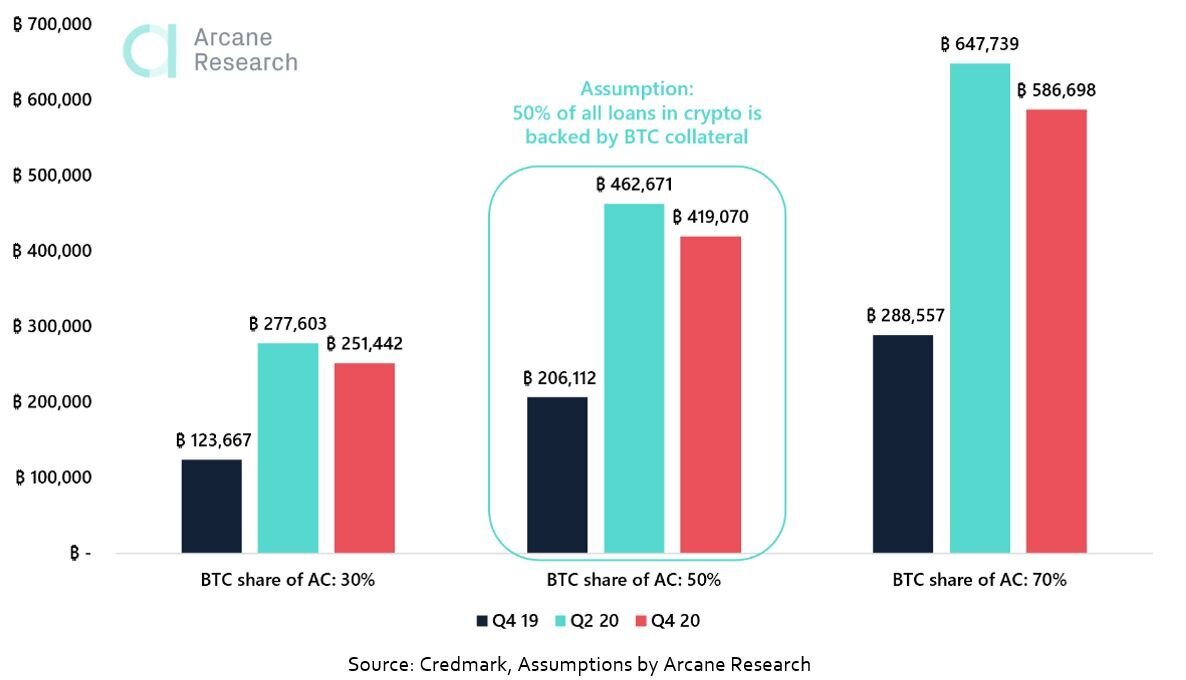
Beyond platform structure, the cost of capital varies significantly. Bitcoin-backed lending rates currently range from 7.5% to 16% APR, remaining well above traditional fixed-income products [src-serp-3]. This spread offers attractive yields but also signals higher underlying risk. The IMF has issued guidance on recording these transactions in macroeconomic statistics, noting the complexity of crypto assets without corresponding traditional liabilities [src-serp-4].
To understand the current market environment, it helps to track the asset prices driving these lending pools. Below is a live chart for Bitcoin, the most common collateral in lending markets.
When evaluating specific platforms, consider whether you prioritize regulatory clarity or yield maximization. CEX platforms offer familiar interfaces and potential insurance but require identity verification. DeFi protocols offer self-custody and permissionless access but expose users to smart contract vulnerabilities and lack traditional insurance. Your choice depends on your comfort with counterparty risk versus technological risk.
Build a crypto lending decision framework
The crypto lending platform market is projected to reach USD 25.06B by 2030, growing at an 18.5% CAGR, but high-yield opportunities often mask infrastructure risks. To navigate this, treat your lending strategy as a structured workflow rather than a passive deposit. Use this framework to move from market research to a funded position with clear risk parameters.
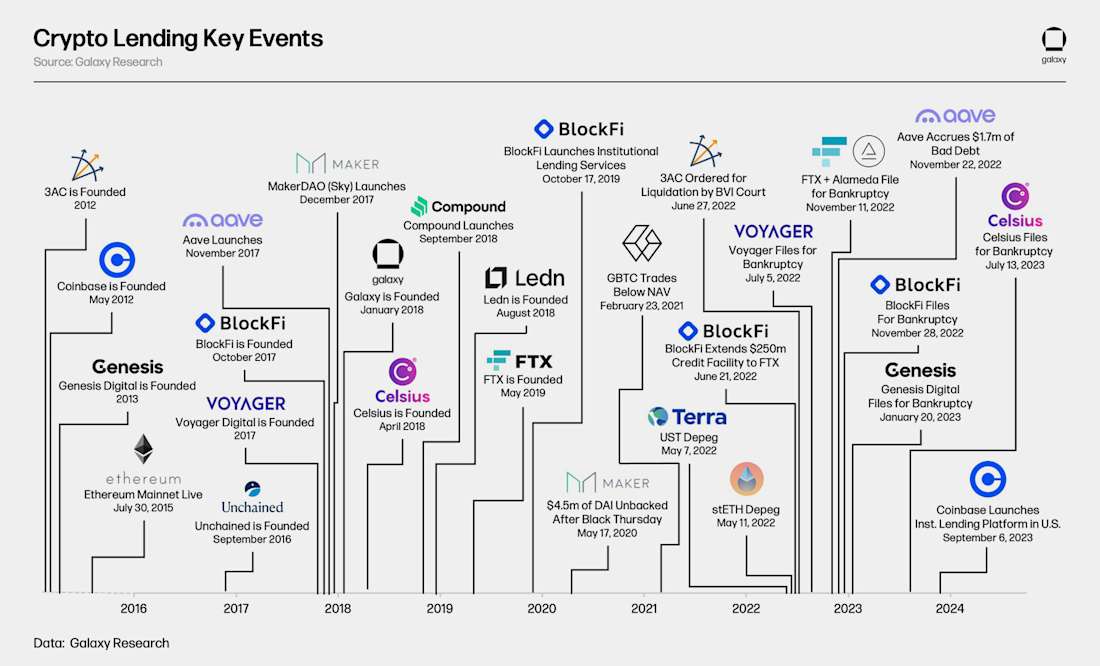
Lending applications now account for over 80% of the onchain market, compared to just 16% for Collateralized Debt Positions (CDPs) in Q3 2025. Before depositing funds, identify whether you are providing liquidity to a lending pool or borrowing against your assets. This distinction determines your exposure to smart contract risk and liquidation cascades.
Do not rely on marketing claims. Check the protocol’s GitHub for recent commits and look for third-party audit reports from firms like OpenZeppelin or Trail of Bits. A lack of transparent code review is a red flag. If the platform cannot provide a clear breakdown of how your funds are being utilized, treat it as an unverified counterparty.
High nominal APYs often ignore the volatility of the underlying asset. If a platform offers 15% APY on a token dropping 20% in value, you are losing principal. Use a price widget to track the asset’s trend before committing. Always compare the yield against the risk-free rate to understand the true risk premium you are accepting.
Determine your maximum acceptable loss before you enter the position. For borrowers, understand the liquidation threshold and set alerts. For lenders, know the protocol’s insurance fund status. If the protocol lacks an insurance fund, your capital is directly at risk during market downturns. Set stop-losses or take-profit orders if the platform supports them.
Start with a small amount to test the withdrawal process and interface reliability. Many platforms advertise high yields but have hidden withdrawal limits or delays. Once you confirm that you can exit the position when needed, you can scale your allocation with confidence.
| Feature | CeFi Lending | DeFi Lending |
|---|---|---|
| Custody | Platform holds keys | User holds keys |
| Transparency | Limited on-chain data | Fully on-chain |
| Yield Potential | Moderate (2-5%) | Variable (3-15%+) |
| Risk Exposure | Counterparty bankruptcy | Smart contract exploit |
Spotting weak options and misleading claims
The crypto lending market is growing fast, but not every platform or strategy is built to last. Galaxy Research notes that lending applications now dominate the onchain market, accounting for over 80% of activity by the end of Q3 2025, while collateralized debt positions (CDPs) have shrunk to 16%. This shift means you need to look closer at where your funds are actually going.
Many platforms promise high yields to attract capital, but these returns often come with hidden risks. Always check the underlying asset quality and the platform’s reserve transparency. If a yield seems too good to be true, it usually is. Look for platforms that publish regular attestation reports rather than relying on marketing materials alone.
Another common mistake is ignoring the difference between centralized and decentralized lending. Centralized lenders offer convenience but introduce counterparty risk, while decentralized platforms require you to manage your own security. Make sure you understand the tradeoffs before locking up your assets. A clear understanding of these differences can save you from significant losses.
Crypto lending market research: what to check next
Before committing capital to crypto lending, it helps to separate marketing hype from operational reality. The market is maturing, but the risks remain distinct from traditional finance. Below are the most common questions we encounter from institutional and retail researchers evaluating the space.
Helpful gear
Use these product recommendations as a starting point, then choose the size, material, and price point that fit how you actually use the gear.


As an Amazon Associate, we may earn from qualifying purchases.
No comments yet. Be the first to share your thoughts!