How to evaluate crypto lending market research
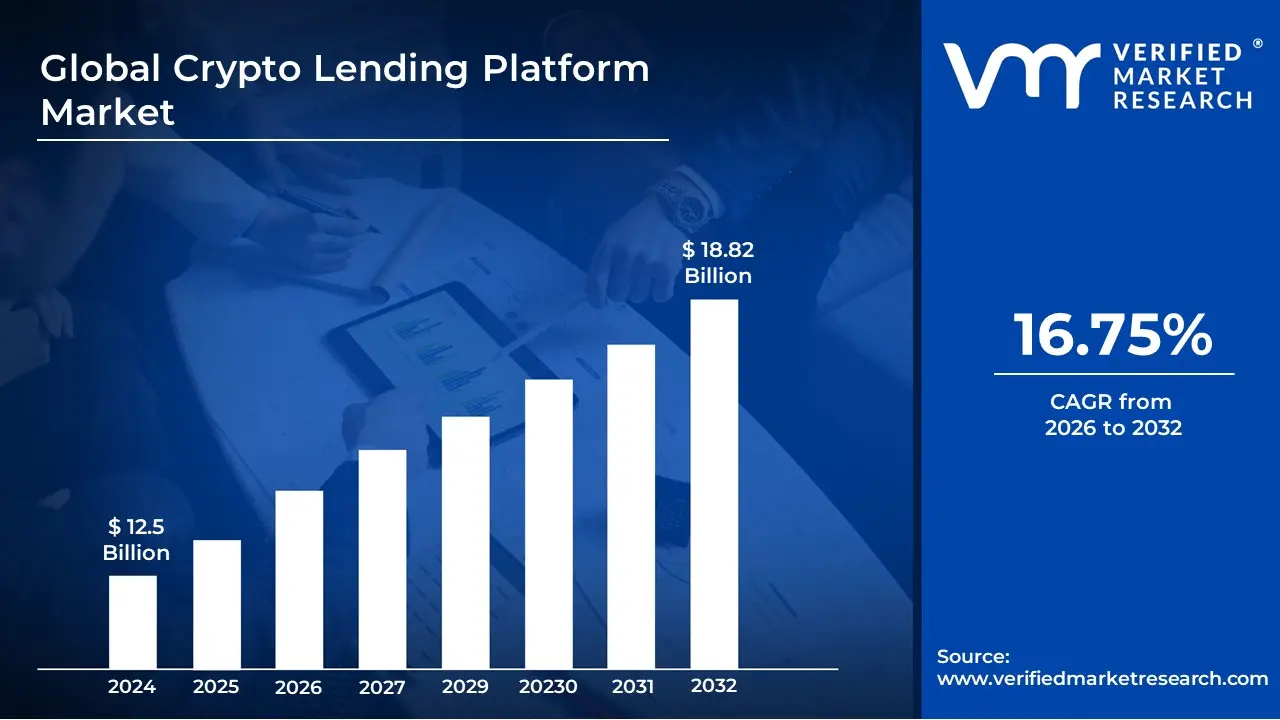
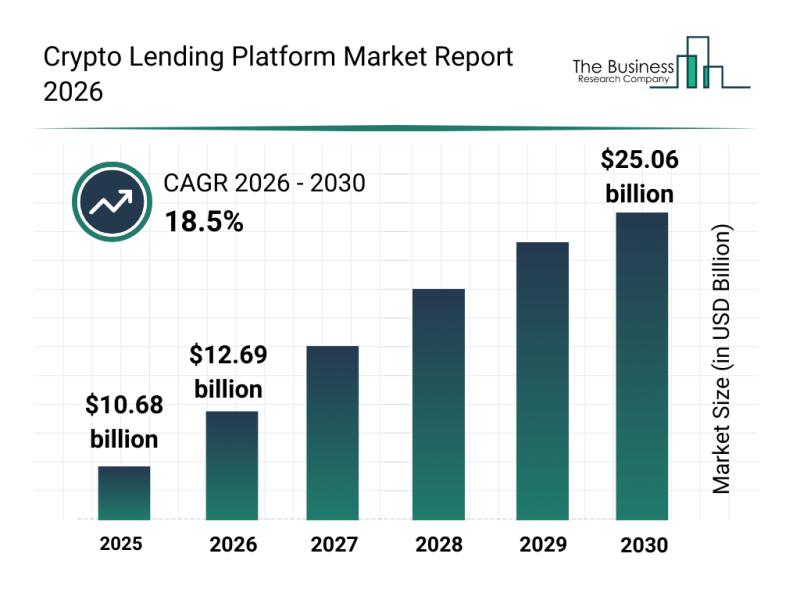
The crypto lending market reached a new all-time high of $73.6 billion in Q3 2025, according to data from Galaxy Digital. This surge reflects a structural shift in how digital assets are leveraged, moving away from pure speculation toward infrastructure-grade utility. However, the rapid expansion to an estimated $12.69 billion in platform revenue by 2026 introduces complex risks that standard market overviews often overlook.
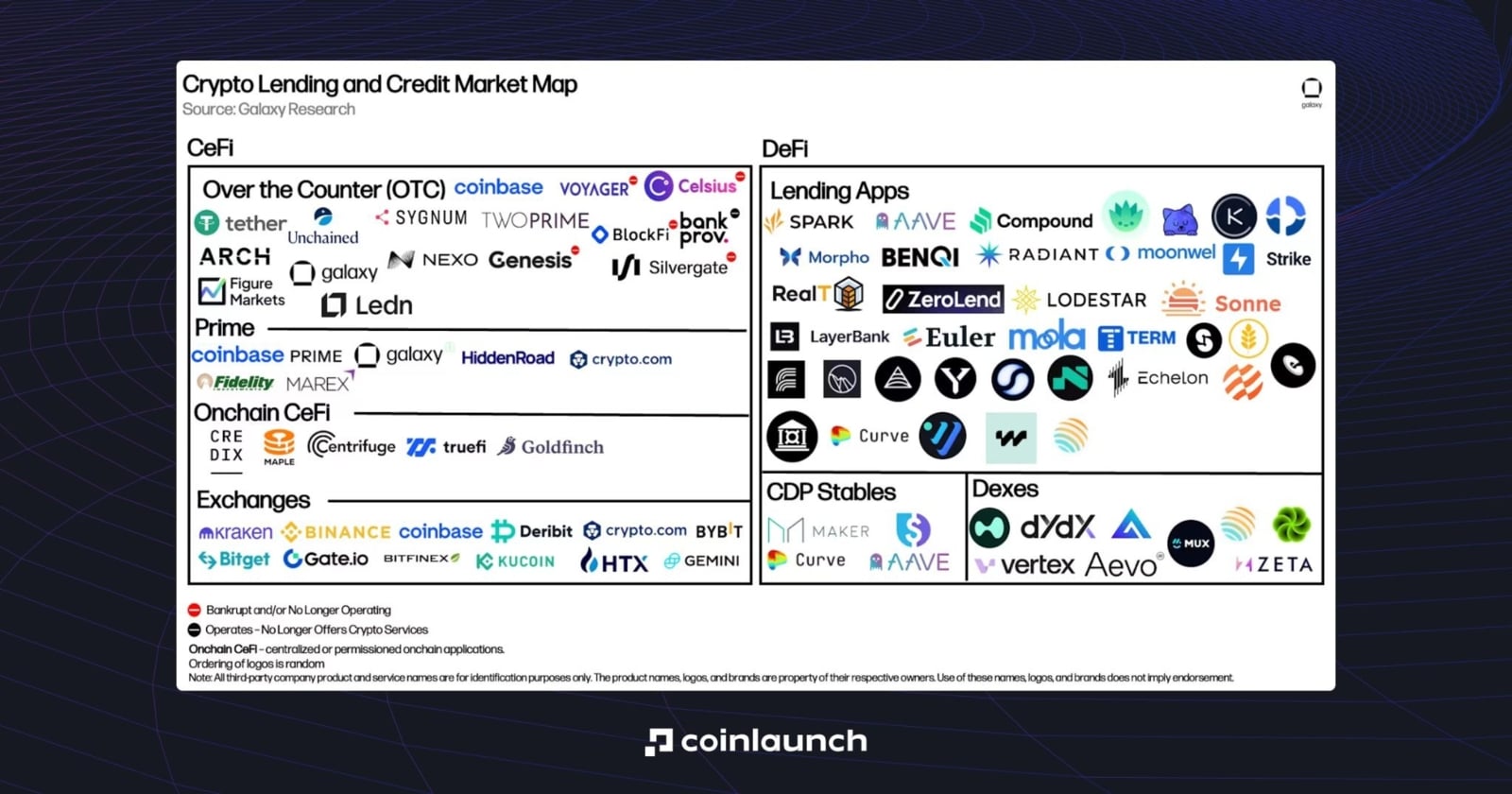
To navigate this landscape, you must distinguish between onchain lending mechanics and traditional centralized finance (CeFi) models. Galaxy’s Q3 2025 report highlights that lending applications now account for more than 80% of the onchain market, while Collateralized Debt Positions (CDPs) have retreated to just 16%. This data point is critical: it signals that the market is prioritizing direct liquidity provision over leveraged tokenization.
When reviewing market research, focus on three concrete areas. First, verify the source’s definition of "lending"—does it include DeFi protocols, CeFi platforms, or both? Second, check for risk-adjusted yield data rather than just gross interest rates, as high yields often mask platform insolvency risks. Third, assess the collateral diversity; markets heavily reliant on a single asset like Bitcoin are more vulnerable to margin calls than those with diversified stablecoin or multi-asset collateral pools. By applying these filters, you can separate reliable infrastructure insights from speculative hype.
Crypto lending market research choices that change the plan
Evaluating crypto lending requires balancing yield potential against structural risks. The market has shifted from the speculative excesses of 2021 to a more mature, data-driven landscape. AI-driven risk models now underpin much of this infrastructure, allowing platforms to price loans more accurately but also introducing new dependencies on algorithmic transparency.
When comparing lending options, focus on these concrete factors:
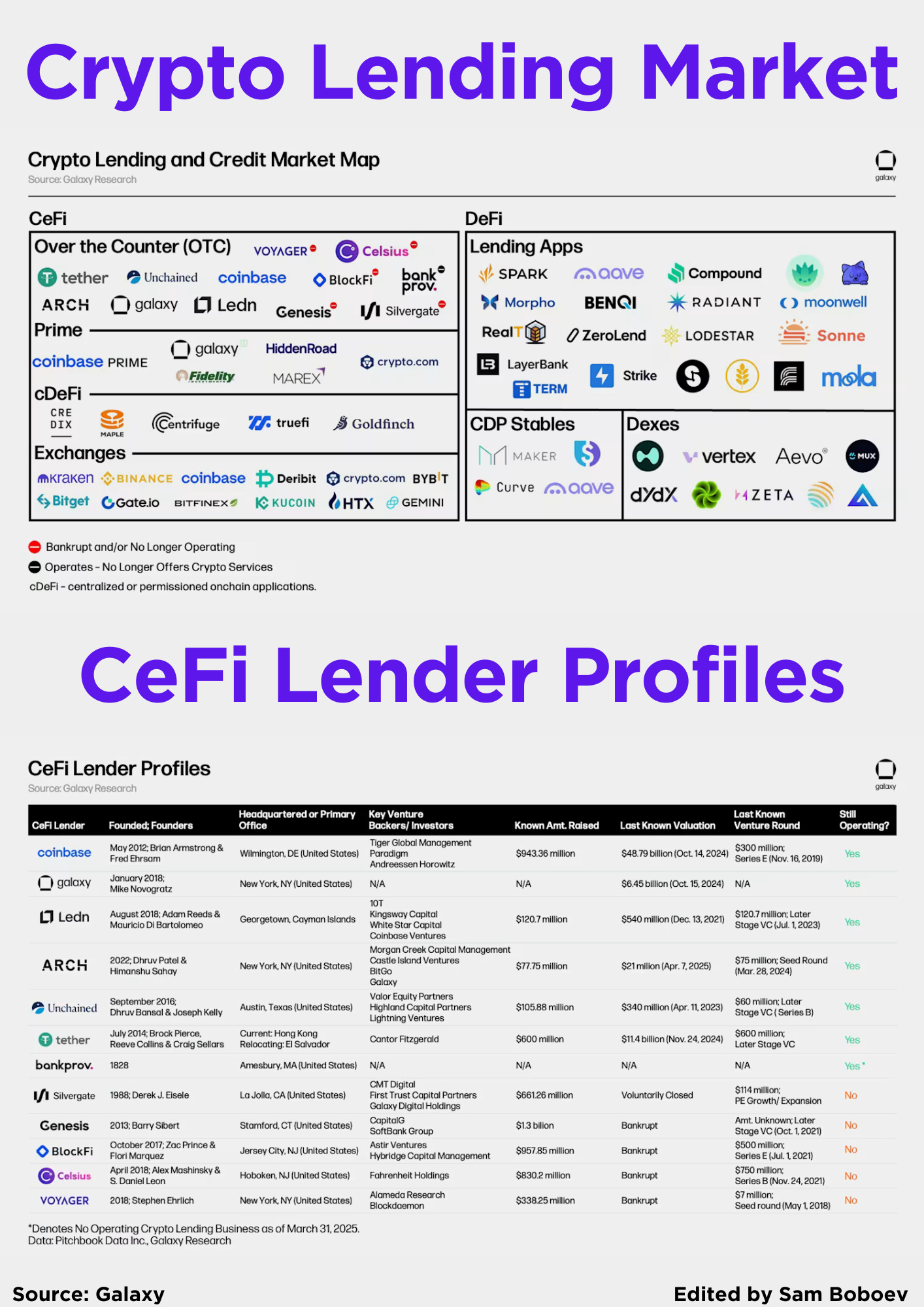
The choice between centralized and decentralized platforms hinges on your risk tolerance. CEFI platforms offer familiar interfaces and fiat on-ramps but introduce custodial risk. DeFi protocols provide non-custodial control but require technical literacy and expose users to smart contract bugs. AI models are increasingly bridging this gap by automating due diligence and dynamic risk assessment.
Interest rate trends are closely tied to broader crypto market cycles. As of Q3 2025, crypto-backed lending TVL reached $73.6 billion, reflecting strong demand for leveraging digital assets without selling them. However, rates fluctuate based on collateral utilization and market volatility. AI-driven platforms can adjust rates in real-time, offering more stable yields during turbulent periods compared to traditional fixed-rate loans.
Always verify the platform's risk management framework. Look for transparent audit trails, insurance funds, and clear liquidation mechanisms. AI models can enhance these systems, but they should not replace fundamental security checks. Understanding these tradeoffs helps you plan around the evolving crypto lending landscape with greater confidence.
Choose the next step
Crypto Lending Market Research works best as a clear sequence: define the constraint, compare the realistic options, test the tradeoff, and choose the path with the fewest hidden costs. That order keeps the advice usable instead of decorative. After each step, pause long enough to check whether the recommendation still fits the reader's actual situation. If it depends on perfect timing, unusual access, or a best-case budget, include a simpler fallback.
Avoid the weak options
Use this section to make the Crypto Lending Market Research decision easier to compare in real life, not just on paper. Start with the reader's actual constraint, then separate must-have requirements from details that are merely nice to have. A practical choice should survive normal use, maintenance, timing, and budget. If a recommendation only works in an ideal situation, call that out plainly and give the reader a fallback path.
The simplest way to use this section is to write down the must-have criteria first, then compare each option against those criteria before weighing nice-to-have features.
Crypto lending market research: what to check next
Is crypto lending legit?
Crypto lending is a legitimate financial activity, but it carries distinct risks compared to traditional banking. The primary concern is counterparty and platform security; unlike FDIC-insured deposits, crypto assets are often held in smart contracts or unregulated entities. Borrowers face liquidation risks if collateral values drop, while lenders risk platform insolvency. Due diligence on the platform’s audit history and insurance coverage is essential before committing funds.
Can you make money with crypto lending?
Yes, investors can earn yield by lending crypto assets without selling them. This allows holders to generate passive income on idle assets while maintaining exposure to potential price appreciation. Yields vary based on asset volatility and demand, often outperforming traditional savings accounts. However, these returns are not guaranteed and fluctuate with market liquidity and platform risk parameters.
Can I borrow against XRP?
Borrowing against XRP is possible on select platforms that accept it as collateral. While Bitcoin and Ethereum are universally accepted, XRP’s eligibility depends on the specific lending protocol’s risk model and asset whitelist. Borrowers should check current loan-to-value (LTV) ratios for XRP, as its acceptance may be more limited than major assets like BTC or ETH.
How big is the crypto lending market?
The crypto-backed lending market reached an all-time high of $73.6 billion in Q3 2025, according to Galaxy Research. The broader crypto lending platform market is projected to grow from $12.69 billion in 2026 to $25.06 billion by 2030, reflecting a compound annual growth rate of 18.5%. This expansion highlights increasing institutional and retail adoption of decentralized and centralized lending infrastructure.
Helpful gear
Use these product recommendations as a starting point, then choose the size, material, and price point that fit how you actually use the gear.


As an Amazon Associate, we may earn from qualifying purchases.
No comments yet. Be the first to share your thoughts!