Crypto lending analysis
Crypto lending offers yield on idle assets but introduces significant structural risks that differ from traditional finance. The market is dominated by a few large players, creating efficiency but also concentration risks that can impact retail investors during market stress.
Profitability is possible without selling or trading assets, yet it requires navigating volatility, counterparty risk, and regulatory uncertainty. Security is a critical factor; while blockchain offers transparency, lending platforms remain vulnerable to hacks and technical glitches. Due diligence on platform solvency and insurance coverage is non-negotiable.
Institutional infrastructure has matured, moving beyond simple peer-to-peer loans to complex leverage strategies. However, the gap between institutional-grade risk management and retail accessibility remains wide. Understanding this divide is essential for anyone considering lending their crypto assets in 2026.
Evaluating crypto lending choices that change the plan
Evaluating crypto lending requires balancing yield potential against structural risks. Unlike traditional savings accounts, lending platforms operate in a high-volatility environment where collateral values can shift rapidly. The following factors break down the concrete tradeoffs you should evaluate before committing capital.
Collateralization Ratios and Liquidation Risks
The safety of your position depends heavily on the loan-to-value (LTV) ratio. Lower LTVs provide a larger buffer against price swings, reducing the likelihood of forced liquidation. However, they also tie up more of your assets, limiting capital efficiency. In volatile markets, even well-collateralized loans can be liquidated if the underlying asset drops sharply, as noted by regulatory analyses on retail investor risks.
Platform Counterparty and Custody Models
CeFi lenders often hold custody of your assets, introducing counterparty risk. If the platform fails or faces liquidity issues, your funds may be inaccessible. DeFi protocols, by contrast, use smart contracts where you retain custody until the transaction executes. While this reduces counterparty risk, it introduces smart contract risk, where bugs or exploits can lead to loss of funds. Always verify the platform’s regulatory status and audit history.
Yield Sources and Sustainability
Yields in crypto lending come from various sources, including interest from borrowers, trading fees, or token incentives. High yields often signal higher risk or unsustainable token emissions. Sustainable yields typically align with market interest rates and borrower demand. Be wary of platforms offering unusually high returns, as these may be subsidized by volatile tokens or unsustainable business models.
Regulatory Compliance and Jurisdiction
Regulatory scrutiny is increasing globally. Lenders operating in compliant jurisdictions may offer greater investor protections but could face lower yields due to operational costs. Non-compliant platforms might offer higher returns but operate in a legal gray area, exposing users to potential seizure or shutdown. Check if the platform is registered with relevant financial authorities and complies with local laws.
| Factor | CeFi Lending | DeFi Lending | Risk Focus |
|---|---|---|---|
| Collateralization | Varies by platform | Smart contract enforced | Liquidation risk in both |
| Custody | Platform holds assets | User retains control | Counterparty vs. Smart contract |
| Yield Source | Interest + fees | Interest + token rewards | Sustainability of rewards |
| Regulation | Often regulated | Largely unregulated | Legal and compliance risk |
| Transparency | Limited on-chain visibility | Fully on-chain | Operational opacity in CeFi |
The choice between CeFi and DeFi lending hinges on your risk tolerance and technical expertise. CeFi offers convenience and potential regulatory protection but requires trust in a centralized entity. DeFi provides transparency and control but demands a deeper understanding of smart contract risks. Always diversify your lending positions and monitor market conditions closely.
Choose the next step
Crypto Lending Analysis works best as a clear sequence: define the constraint, compare the realistic options, test the tradeoff, and choose the path with the fewest hidden costs. That order keeps the advice usable instead of decorative. After each step, pause long enough to check whether the recommendation still fits the reader's actual situation. If it depends on perfect timing, unusual access, or a best-case budget, include a simpler fallback.


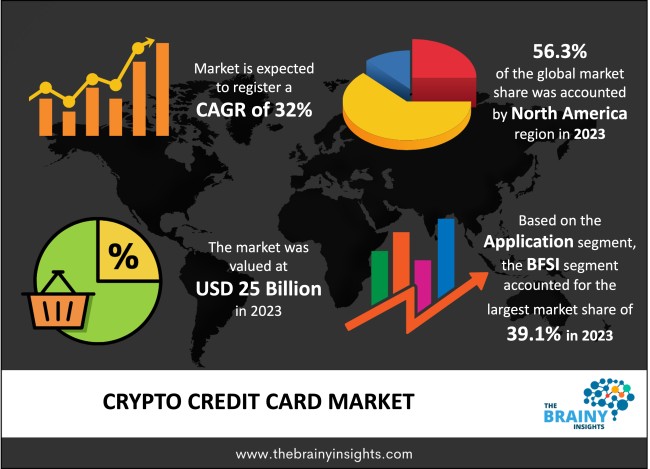
Spotting Weak Options in Crypto Lending
The institutional DeFi landscape is expanding, but not all lending products are built for stability. As Galaxy Research notes, Tether alone commands over 57% of the CeFi lending market, highlighting how concentrated these risks have become. For 2026, you need to look past headline yields and identify the structural weaknesses that could erode your capital.
Concentrated Counterparty Risk
When a single entity controls more than half the market, systemic failure becomes a critical vulnerability. Relying on one dominant lender exposes you to operational or regulatory shocks that could freeze assets. Diversifying across multiple, audited protocols reduces this exposure, but it also complicates management. Always check if the lender’s reserves are fully backed and independently verified.
Collateral Liquidation Traps
Volatility is the silent killer of leveraged positions. If Bitcoin experiences a sudden 20% drop, your collateral value can plummet faster than you can react. Better Markets warns that these wild swings often lead to forced liquidations, wiping out your position before the market recovers. Set conservative loan-to-value ratios to avoid being caught in a margin call.
Platform Security and Hacks
Blockchain security does not equal platform security. Even if the underlying protocol is sound, the lending platform itself can be vulnerable to exploits or technical glitches. Coinbase and other major exchanges emphasize that due diligence is essential. Look for platforms with a history of security audits, bug bounties, and transparent incident response plans.
Misleading Yield Claims
High APYs are often marketing tools rather than sustainable returns. Some platforms offer inflated yields by subsidizing interest with token emissions or risky lending practices. These yields are rarely sustainable long-term and can disappear overnight. Focus on the source of the yield: is it generated from real lending demand or artificial incentives?
Crypto lending analysis: what to check next
Before deploying capital into crypto lending infrastructure, it helps to separate marketing promises from mechanical realities. The landscape has shifted from unregulated CeFi experiments to structured DeFi protocols, but the core risks—smart contract bugs and market volatility—remain unchanged.
Is crypto lending profitable?
Yes, but yields are rarely static. Lenders can earn substantially more interest on idle crypto assets without selling or trading them, often outpacing traditional savings accounts during bull markets. However, these yields are effectively compensation for risk. In 2026, sustainable APYs in institutional DeFi typically range between 3–8% for stablecoins, dropping significantly during periods of low demand or high protocol risk.
How safe is crypto lending?
Safety depends entirely on the counterparty. CeFi platforms carry custodial risk, where insolvency can lead to total loss, as seen in past industry collapses. DeFi protocols eliminate custodial risk but introduce smart contract risk. While blockchain technology is immutable, the code governing loans can contain vulnerabilities. Always audit the protocol’s history and insurance coverage before lending.
What happens if the market crashes?
Liquidation is the primary mechanism for protecting lenders. If the value of your collateral (e.g., Bitcoin) drops below a certain threshold, the protocol automatically sells it to repay the loan. This protects the lender but leaves the borrower with a loss. Volatile assets like ETH or SOL carry higher liquidation risks than stablecoins, making them less suitable for conservative lending strategies.
Can I lose my crypto entirely?
Yes. If you lend directly to a CeFi platform that becomes insolvent, your assets may be frozen or lost permanently, as there is often no FDIC-style insurance. In DeFi, you retain custody of your assets until they are locked in a smart contract; if the contract is hacked, those funds are gone. Diversifying across multiple protocols and sticking to audited, long-running platforms is the best mitigation strategy.
Helpful gear
Use these product recommendations as a starting point, then choose the size, material, and price point that fit how you actually use the gear.


As an Amazon Associate, we may earn from qualifying purchases.
No comments yet. Be the first to share your thoughts!