The Market Context for Crypto Lending
The crypto lending landscape has undergone a quiet but fundamental shift. We have moved past the era of pure DeFi speculation and unsustainable yield farming. The current infrastructure is maturing, prioritizing institutional-grade security and regulatory compliance over high-risk, high-reward experiments. This transition is reshaping how we approach a crypto lending strategy in 2026.
Institutional players are no longer just observing; they are building. The integration of Real World Assets (RWA) into lending protocols provides a tangible anchor for yields, linking digital finance to traditional revenue streams. This connection reduces reliance on volatile crypto-native liquidity and creates a more stable environment for lenders seeking consistent returns.
Market volatility remains a constant, but the underlying mechanics have changed. Lenders now have access to more transparent, audited protocols that mimic traditional banking structures while retaining blockchain efficiency. Understanding this baseline is essential before allocating capital.
Centralized vs. Decentralized Lending Models
A crypto lending strategy fundamentally splits into two distinct paths: centralized finance (CeFi) and decentralized finance (DeFi). Both allow you to borrow against digital assets without selling them, but they operate on completely different infrastructure and risk profiles. Choosing between them depends on how much control you want over your collateral and how much trust you place in intermediaries.
Centralized platforms act like traditional banks. You deposit assets into a custodial wallet managed by the platform, and they issue a loan based on a loan-to-value (LTV) ratio. This model offers speed and simplicity, often with fiat on-ramps and customer support. However, it introduces counterparty risk. If the platform faces insolvency or regulatory action, your assets may be frozen or lost. Recent industry collapses have highlighted that "not your keys, not your coins" remains the golden rule for high-stakes asset management.
Decentralized protocols remove the middleman. You connect a self-custody wallet, such as MetaMask or Ledger, to a smart contract on a blockchain like Ethereum or Solana. The lending logic is automated and transparent. You retain custody of your assets until the moment of liquidation. This structure eliminates institutional counterparty risk but introduces smart contract risk. If the protocol code has a vulnerability, funds can be exploited. Additionally, DeFi lending often requires overcollateralization—depositing more value than you borrow—to protect lenders against market volatility.
The choice between CeFi and DeFi is not just technical; it is a risk management decision. CeFi offers convenience but concentrates risk in a single entity. DeFi offers transparency and self-sovereignty but requires technical literacy and exposes you to code vulnerabilities. For a 2026 strategy, diversifying across both models can balance ease of use with asset security.
| Feature | Centralized (CeFi) | Decentralized (DeFi) |
|---|---|---|
| Custody | Platform holds keys | You hold keys |
| Counterparty Risk | High (platform solvency) | Low (protocol code) |
| Privacy | KYC required | Permissionless |
| Liquidity | Instant fiat off-ramps | Market-dependent |
| Complexity | User-friendly | Technical setup needed |
Navigating RWA yield opportunities
Real World Assets (RWAs) are shifting from experimental side-projects to core pillars of a robust crypto lending strategy. By tokenizing traditional assets like treasury bills or private credit, protocols offer yield streams that are less tethered to the wild swings of Bitcoin or Ethereum. This decoupling provides a stabilizing effect, making RWAs an attractive hedge for lenders seeking consistent returns without abandoning the blockchain ecosystem.
The infrastructure behind these products has matured significantly. Protocols now integrate with regulated custodians and legal structures that mirror traditional finance, reducing the counterparty risks that plagued early DeFi lending. When evaluating a crypto lending strategy for 2026, the focus has moved from chasing double-digit APYs on volatile pairs to assessing the underlying cash flows of tokenized assets. This shift prioritizes capital preservation alongside yield generation.

However, this sector is not without friction. Regulatory scrutiny remains intense, particularly around custody solutions and the legal enforceability of tokenized claims. Lenders must verify that the legal wrappers backing these assets are sound and that the issuers maintain transparent audit trails. The yield difference between a tokenized US Treasury and a native DeFi protocol often reflects this regulatory and structural complexity.
For a balanced portfolio, RWAs serve as the anchor. They provide the steady income stream that allows a crypto lending strategy to weather market downturns. By allocating a portion of capital to these tokenized traditional assets, lenders can smooth out their overall return profile, reducing reliance on speculative crypto-native volatility.
Managing DeFi infrastructure risks
Use this section to make the Building a Crypto Lending Strategy for decision easier to compare in real life, not just on paper. Start with the reader's actual constraint, then separate must-have requirements from details that are merely nice to have. A practical choice should survive normal use, maintenance, timing, and budget. If a recommendation only works in an ideal situation, call that out plainly and give the reader a fallback path.
The simplest way to use this section is to write down the must-have criteria first, then compare each option against those criteria before weighing nice-to-have features.
Execute your crypto lending strategy
A solid crypto lending strategy only works if you execute with discipline. Treat your capital like a business, not a gamble. This means verifying the platform's solvency before depositing and setting strict risk limits before borrowing.
Before locking funds, verify the lender’s proof of reserves and audit history. Look for transparent, third-party attestations rather than self-reported metrics. This due diligence is your first line of defense against insolvency.

Never max out your borrowing power. Maintain a buffer well above the liquidation threshold to absorb market volatility. If the platform allows, choose over-collateralization to protect your assets from sudden price drops.
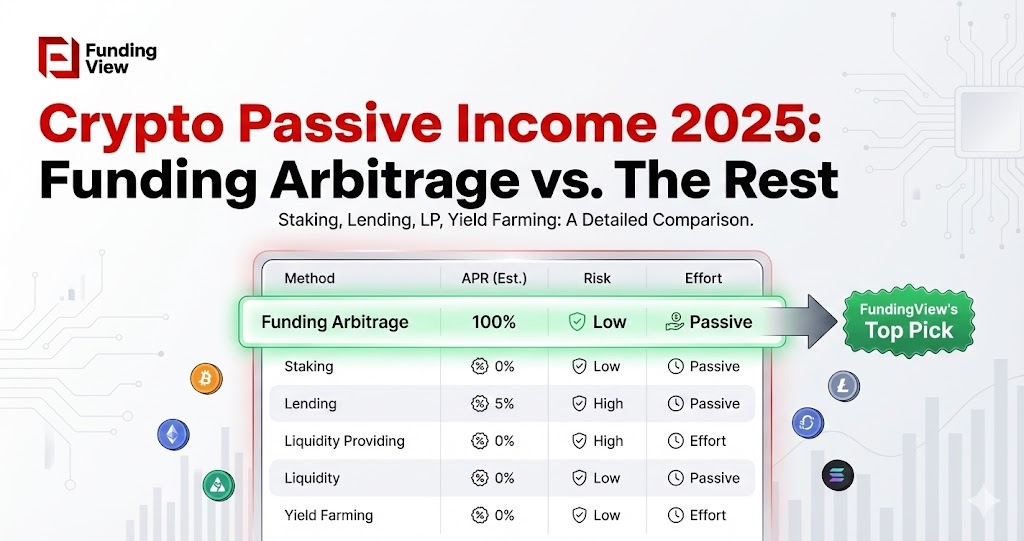
Avoid putting all your assets on a single exchange or protocol. Spreading your crypto lending strategy across different platforms reduces counterparty risk. If one lender faces issues, your entire portfolio isn’t compromised.
Monitoring these metrics in real-time helps you adjust your strategy before market conditions shift. Use live charts to track your collateral value against liquidation prices, ensuring you stay safe during high-volatility periods.
Frequently asked questions about crypto lending strategy
Crypto lending offers a way to generate yield on idle assets, but it requires navigating specific risks and platform mechanics. Understanding these fundamentals is essential for building a resilient lending strategy in 2026.
How to protect your crypto lending strategy
Security should be the foundation of your approach. Start by evaluating the platform’s track record, audit history, and insurance coverage. Avoid chasing the highest yield if it comes from unverified sources. Diversify your lending positions across different assets and protocols to spread risk. Finally, monitor your collateral ratios closely to prevent unexpected liquidations during market downturns. A disciplined strategy prioritizes capital preservation over aggressive returns.
No comments yet. Be the first to share your thoughts!