The reality of crypto lending limits to account for
Crypto lending is no longer a frictionless yield farm; it is a constrained market where infrastructure risks and regulatory scrutiny dictate returns. While the promise of earning interest on idle assets remains attractive, the mechanics have shifted from simple deposit-and-earn models to complex, collateralized arrangements that require rigorous due diligence. Understanding these constraints is the first step in navigating the 2026 landscape safely.
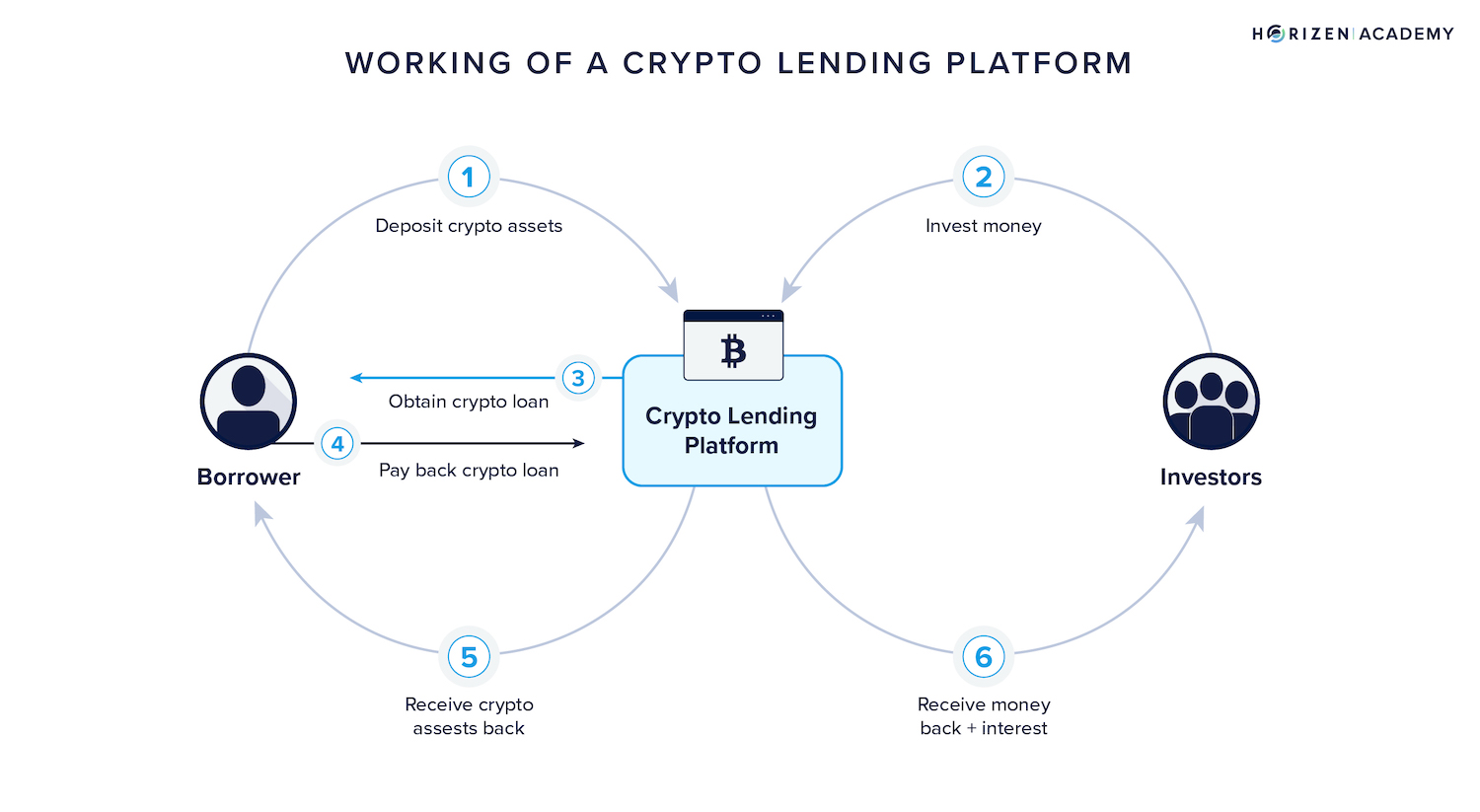
The primary constraint is the over-collateralization requirement. Unlike traditional bank loans, most crypto lending platforms require borrowers to lock up more digital assets than they borrow. For example, if you want to borrow $10,000 in stablecoins, you might need to pledge $15,000 in Bitcoin as collateral. This buffer protects lenders from market volatility but ties up your capital, reducing the effective yield on your total portfolio. If the value of your collateral drops too quickly, you face liquidation, losing your assets entirely.
Secondly, smart contract risk remains a hard constraint on decentralized platforms. Even if the market is stable, a bug in the lending protocol’s code can lead to total loss of funds. Recent audits show that while major platforms like Aave have improved security, the complexity of cross-chain lending bridges introduces new vulnerabilities. Centralized lenders, while easier to use, introduce counterparty risk—where the platform itself might freeze withdrawals or fail, as seen in past industry collapses.
Finally, regulatory uncertainty constrains liquidity and yield. In many jurisdictions, lending crypto for profit may trigger tax events or require KYC (Know Your Customer) verification, limiting the anonymity that once attracted users. The IRS now has clearer guidelines on reporting crypto transactions, meaning lending yields are not hidden from tax authorities. As regulations tighten, some platforms restrict access to certain regions, further fragmenting the market.
To manage these constraints, focus on platforms with transparent reserve audits and strong collateralization ratios. Avoid chasing yields that seem too good to be true, as they often mask unsustainable risks. In 2026, safety and transparency are the new standards for sustainable crypto lending.
Crypto lending choices that change the plan
Crypto Lending works best as a clear sequence: define the constraint, compare the realistic options, test the tradeoff, and choose the path with the fewest hidden costs. That order keeps the advice usable instead of decorative. After each step, pause long enough to check whether the recommendation still fits the reader's actual situation. If it depends on perfect timing, unusual access, or a best-case budget, include a simpler fallback.
| Factor | What to check | Why it matters |
|---|---|---|
| Fit | Match the option to the primary use case. | A good deal still fails if it does not fit the job. |
| Condition | Verify age, wear, and service history. | Hidden condition issues erase upfront savings. |
| Cost | Compare purchase price with likely upkeep. | The cheapest option is not always the lowest-cost option. |
Choose the next step
Crypto Lending works best as a clear sequence: define the constraint, compare the realistic options, test the tradeoff, and choose the path with the fewest hidden costs. That order keeps the advice usable instead of decorative. After each step, pause long enough to check whether the recommendation still fits the reader's actual situation. If it depends on perfect timing, unusual access, or a best-case budget, include a simpler fallback.


Watch out for these weak options
Not every platform advertising "real-world asset" yields is built to last. Several common structures hide structural risks that can wipe out principal or lock your funds indefinitely. Before you deposit, check for these three specific failure modes.
Overleveraged real-estate tranches
Many platforms claim to lend against commercial property, but the underlying collateral is often already encumbered by senior bank debt. If the property value dips, you are the first to lose money. Look for platforms that provide transparent, third-party audited loan-to-value (LTV) ratios for each specific asset, not just aggregate portfolio averages.
Opaque stablecoin reserves
Some high-yield lending pools rely on stablecoins whose reserves are not fully backed by cash or short-term treasuries. If the stablecoin de-pegs, your collateral value crashes instantly. Stick to platforms that use audited, regulated stablecoins like USDC or explicitly disclose the exact composition of their reserve assets.
Illiquid lock-up periods
A common trap is offering 15% APY with a 12-month lock-up. If you need your capital back, you cannot withdraw it without a steep penalty or waiting for a secondary market sale, which may not exist. Always verify the withdrawal terms and whether there is an active secondary market for your tokens before committing.
Crypto lending: what to check next
Before committing capital to crypto lending or real-world asset (RWA) yields, it helps to separate marketing hype from mechanical reality. The following answers address the most common practical objections readers raise before making a decision.
No comments yet. Be the first to share your thoughts!