Why crypto lending matters now
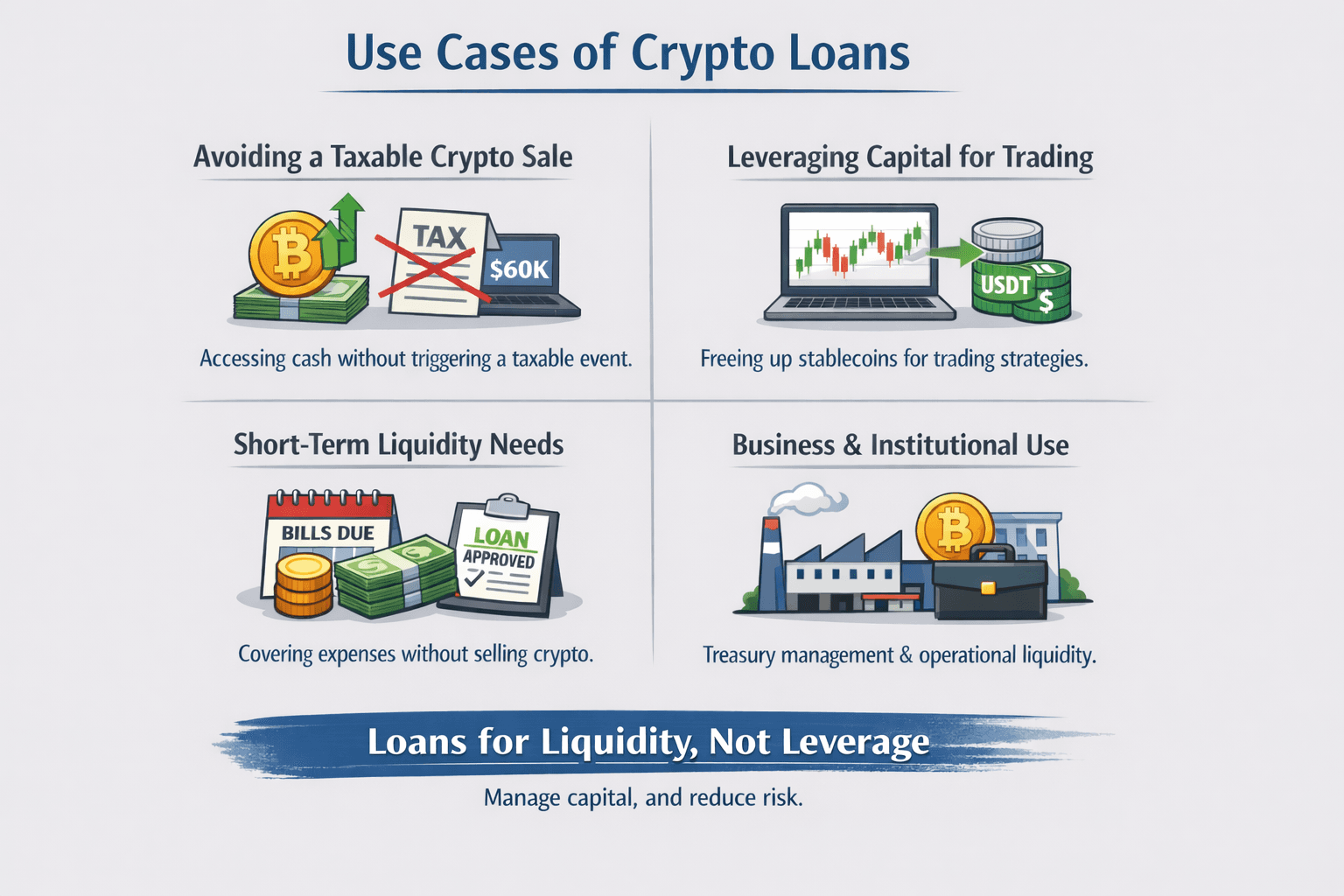
In 2026, crypto lending has shifted from a speculative side-hustle to a core mechanism for capital efficiency. The market no longer rewards simply holding assets; it rewards deploying them. By lending idle tokens, you transform stagnant balances into productive infrastructure, generating yield without triggering taxable events or losing exposure to long-term appreciation.
This isn't just about earning interest. It's about liquidity management. As the IMF notes in its macroeconomic guidance, crypto lending involves institutional units lending assets for a specified period in exchange for agreed returns. This structure mirrors traditional finance but operates on-chain, offering transparency and programmability that legacy banks can't match. You're not just saving; you're providing liquidity to a global market.
The strategy is straightforward: put your assets to work. Whether through decentralized protocols like Aave or emerging Real World Asset (RWA) platforms, lending allows you to earn yield on your holdings while maintaining ownership. This is the difference between watching your portfolio sit still and actively participating in the financial layer of the internet.
To understand the current landscape, look at the broader market movement. Bitcoin's price action reflects the underlying demand for collateral and liquidity in the lending market.
DeFi vs. CeFi lending models
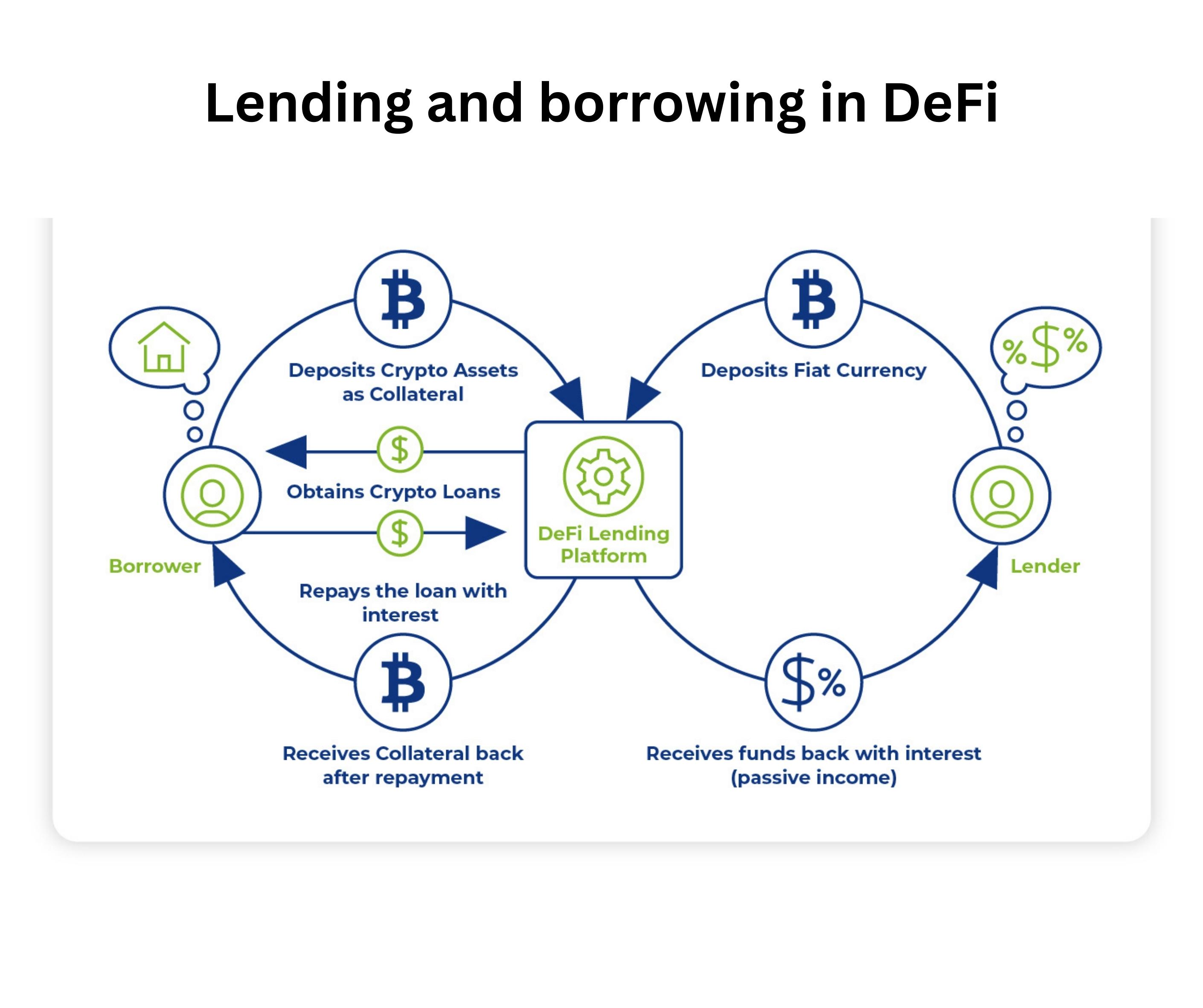
Choosing a lending platform means choosing who holds the keys to your capital. The choice generally comes down to two distinct structures: Decentralized Finance (DeFi) protocols and Centralized Finance (CeFi) exchanges. Each model offers a different balance of control, yield, and counterparty risk.
| Feature | DeFi Lending | CeFi Lending |
|---|---|---|
| Custody | Self-custody (smart contracts) | Platform custodianship |
| Yield Source | Peer-to-peer or market rates | Platform lending pools |
| Transparency | On-chain, fully verifiable | Audited reports, opaque |
| Insurance | Protocol-specific funds (limited) | FDIC/SIPC (limited scope) |
| Accessibility | Requires crypto wallet | Standard login |
DeFi platforms like Aave or Compound operate on public blockchains. You retain custody of your assets, which are locked in smart contracts. This offers maximum transparency—you can verify the protocol's solvency in real-time—but it also means you are responsible for managing your keys and understanding smart contract risks. There is no customer support to call if you make a mistake.
CeFi platforms, such as Coinbase Prime or Kraken, act as traditional intermediaries. They manage the lending process, often offering simpler interfaces and fiat on-ramps. However, you are trusting the platform with your assets. If the platform faces insolvency or regulatory action, recovering funds can be difficult, as seen in recent industry collapses.

The yield difference often reflects these structural risks. DeFi yields can be higher due to direct peer-to-peer matching and lower overhead, but they fluctuate wildly with market demand. CeFi yields are typically more stable but lower, as the platform takes a cut for managing the custodial risk and regulatory compliance.
How RWA tokenization bridges traditional finance and DeFi
Real World Asset (RWA) tokenization is reshaping crypto lending by bringing traditional yield on-chain. Instead of relying solely on speculative borrowing demand, protocols now back stablecoin yields with tangible assets like U.S. Treasury bills and corporate debt. This shift has created a direct bridge between decentralized finance (DeFi) and traditional finance (TradFi), offering investors exposure to risk-free rates without leaving the blockchain.
The mechanism is straightforward: protocols purchase tokenized treasuries or other credit instruments and hold them as collateral. The interest generated from these traditional instruments is then distributed to stablecoin holders or lenders. This model reduces reliance on volatile crypto market dynamics, providing a more predictable income stream. As a result, stablecoin yields have become closely correlated with traditional interest rates, offering a stable alternative to high-risk DeFi strategies.
While this approach offers stability, it introduces new risks. Investors must trust the custodians holding the underlying assets and the smart contracts managing the tokenization process. Regulatory uncertainty also looms, as governments continue to define the legal status of tokenized securities. Despite these challenges, RWA tokenization represents a significant evolution in crypto lending, blending the transparency of blockchain with the reliability of traditional finance.
Infrastructure risks that break yields
DeFi lending protocols are not banks. They are code repositories that manage collateral and liquidity without a central safety net. When the underlying infrastructure fails, there is no FDIC insurance and no customer support line to call. The risks are threefold: smart contract vulnerabilities, oracle failures, and liquidity crunches. Understanding these mechanisms is essential for preserving capital in high-stakes crypto lending.
Smart contract vulnerabilities
Smart contracts are immutable once deployed. If a bug exists in the code that governs collateral liquidation or interest rate calculations, attackers can exploit it to drain funds. Unlike traditional finance, where code updates can be patched quickly, DeFi protocols often require complex governance votes or complete migration to fix critical flaws. Even well-audited contracts carry residual risk, as auditors may miss edge cases or complex interactions between protocols.
Oracle failures
Lending protocols rely on price oracles to determine the value of collateral and trigger liquidations. If an oracle feeds incorrect price data—due to a hack, manipulation, or technical glitch—the protocol may fail to liquidate undercollateralized positions or liquidate healthy ones prematurely. This disconnect between on-chain data and real-world asset values can lead to massive losses for lenders who assume their collateral is adequately protected.
Liquidity crunches
During market stress, liquidity can evaporate rapidly. If too many borrowers try to withdraw their funds simultaneously, the protocol may face a solvency crisis. This is particularly dangerous for protocols that rely on continuous new deposits to meet withdrawal requests. A lack of deep liquidity pools can also make it difficult to exit positions without significant slippage, further exacerbating losses.
Tax implications of crypto lending
Crypto lending creates specific tax events that often catch investors off guard. When you lend your assets, the interest payments you receive are typically treated as ordinary income in the year you earn them. This means you owe taxes on that yield, even if you haven't sold the underlying asset. If you are borrowing against your crypto, be aware that taking out a loan is generally not a taxable event, but failing to repay it can trigger a deemed sale.
Tracking your cost basis is essential for accurate reporting. Every time you receive lending interest, you must establish a new cost basis for those tokens. If you later sell or swap those interest payments, you will trigger a capital gains or loss event based on the difference between your basis and the sale price. Mismanaging this trail can lead to overpaying taxes or, worse, compliance issues during an audit.
For detailed guidance on how lending structures are viewed by regulators, refer to official accounting standards such as those provided by KPMG on lenders' accounting for crypto intangible asset loans. These resources clarify how loans of assets like Bitcoin and Ether are classified, helping you understand the regulatory backdrop of your financial activities.
Your 2026 lending checklist
Before you lock capital into a DeFi pool or RWA protocol, run through this five-point audit. The landscape has shifted from "yield at all costs" to risk-aware deployment, and your due diligence needs to reflect that.
Look for recent, reputable audit reports from firms like OpenZeppelin or Trail of Bits. A single audit is no longer enough; check if the contract has been live for at least 90 days without incident. If the code hasn't been battle-tested, treat the yield as a bonus, not a guarantee.
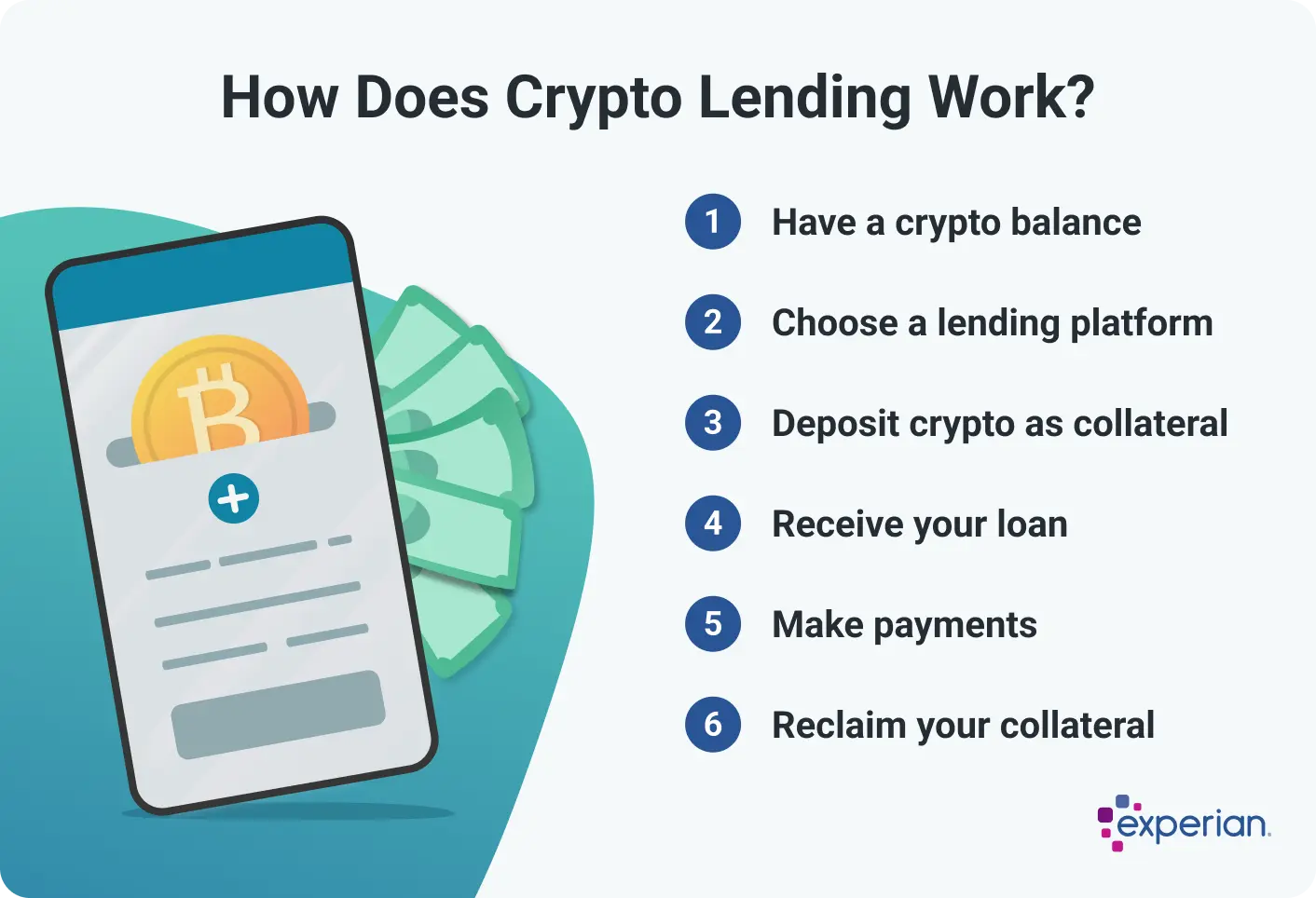
For crypto-backed loans, understand the liquidation price relative to the current market. If the collateral factor is too high, a minor volatility spike could wipe out your position. Ensure the protocol has a healthy buffer against flash crashes.

With Real World Assets, the legal wrapper is everything. Is the entity registered? Who holds the legal title to the underlying asset? If the issuer is a shell company in a jurisdiction with no consumer protections, you are effectively unsecured lending.
High yields are often a result of token emissions. Check if the APY is paid in native tokens that are actively being diluted. If the token price drops faster than the yield accumulates, your real return is negative.
Does the protocol have a dedicated insurance fund or third-party coverage? If the smart contract fails or the issuer defaults, is there a mechanism to reimburse lenders? Without insurance, you are the backstop.
| Risk Factor | What to Look For |
|---|---|
| Smart Contract | Recent audit + 90-day live track record |
| Collateral | Liquidation price > 20% below market |
| Legal | Registered entity + clear asset title |
| Tokenomics | Sustainable emission schedule |
| Insurance | Active insurance fund or coverage |
Frequently asked: what to check next
Crypto lending sits at the intersection of DeFi innovation and traditional finance regulation. As the market matures in 2026, clarity on mechanics, tax obligations, and risk profiles is essential for any participant. Below are the most common questions regarding crypto lending yields and risks.
No comments yet. Be the first to share your thoughts!