The crypto lending market is expanding, but the structure is shifting
The crypto lending landscape is no longer just about borrowing against Bitcoin; it is a massive, growing segment of the broader digital asset economy. According to the Crypto Lending Platform Market Report 2026, the market was valued at $12.69 billion in 2026 and is projected to reach $25.06 billion by 2030, growing at a compound annual growth rate (CAGR) of 18.5%. This growth trajectory indicates strong institutional and retail interest, despite the volatility inherent in the sector.
However, the composition of this market has changed significantly. In Q3 2025, total crypto-collateralized lending hit a record high of $73.59 billion, an increase of 38.5% from the previous quarter, according to Galaxy Digital. This surge was driven largely by decentralized finance (DeFi) protocols, which have gained ground as traditional centralized finance (CeFi) platforms continue to recover from past collapses and regulatory scrutiny.
The divergence between CeFi and DeFi is stark. CeFi lenders are rebuilding trust through stricter compliance and transparency, while DeFi platforms are scaling rapidly with automated, permissionless lending pools. This split means that yield opportunities and risk profiles are no longer uniform across the industry.
For investors and borrowers, understanding this structural shift is critical. The market is larger than ever, but the players and protocols driving that growth are fundamentally different from those that existed just a few years ago. This evolution creates both new opportunities and new risks that require careful navigation.
DeFi versus CeFi lending models
Crypto lending isn't a single product; it's two entirely different financial infrastructures masquerading under the same name. Understanding the difference between Decentralized Finance (DeFi) and Centralized Finance (CeFi) is the first step in managing risk. One model puts the keys in your hand, while the other asks you to trust a corporation.
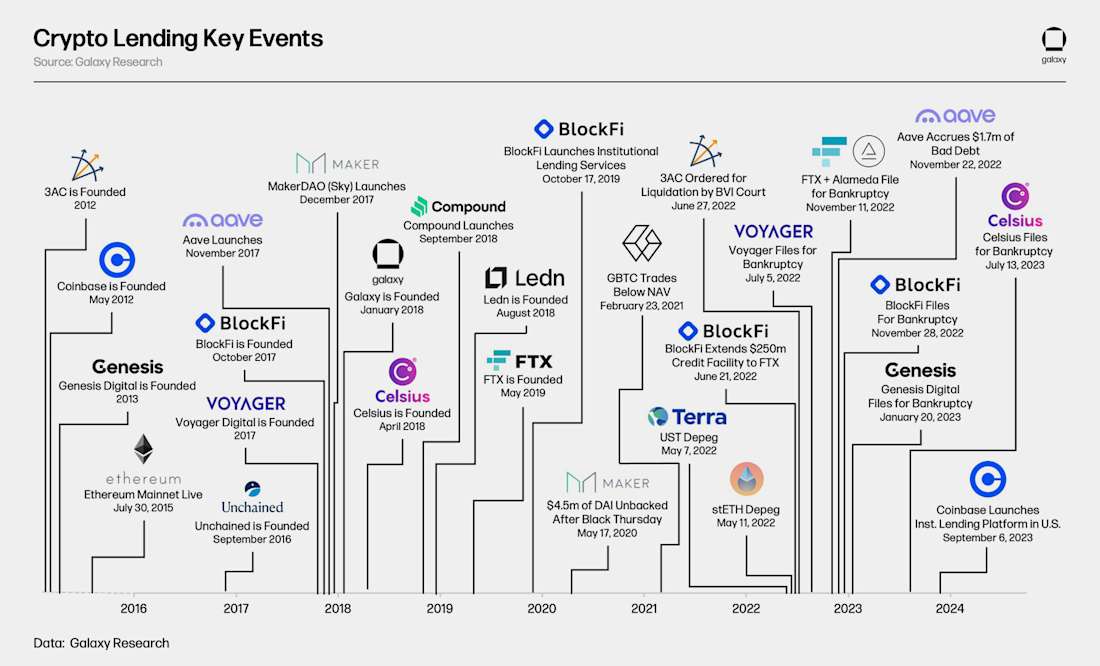
In CeFi, you are essentially depositing your assets into a bank-like vault. You trade custody for convenience. The platform manages the lending, takes the yield, and pays you a share. This structure mirrors traditional finance but with higher interest rates and, historically, higher failure rates. When the platform lends your Bitcoin to a hedge fund or a venture capital firm, you are exposed to counterparty risk. If that borrower defaults, or if the platform itself becomes insolvent, your assets are gone. The collapse of Celsius and BlockFi in 2022 were stark reminders that "not your keys, not your coins" is not just a slogan—it is a risk assessment.
DeFi flips this dynamic. Instead of a middleman, you interact with smart contracts on a blockchain. You remain the custodian of your collateral, locking it into a protocol like Aave or Compound. The yield comes from peer-to-peer lending or liquidity provision, and the code dictates the terms. There is no CEO to fire, no quarterly earnings call to disappoint, and no corporate veil to hide behind. If the code works, the yield is paid. If the code fails or is exploited, there is no customer support to call.
The choice between these models depends on your tolerance for complexity versus institutional risk. CeFi offers a familiar user experience but requires deep due diligence on the platform's solvency. DeFi offers transparency and self-custody but demands technical literacy and an acceptance of smart contract risk.
| Feature | CeFi (Centralized) | DeFi (Decentralized) |
|---|---|---|
| Custody | Platform holds keys | User holds keys |
| Transparency | Audited reports, opaque balance sheets | On-chain, real-time visibility |
| Counterparty Risk | High (platform/borrower default) | Low (protocol/smart contract risk) |
| Yield Source | Interbank lending, institutional loans | Peer-to-peer, liquidity fees |
| User Experience | Simple, familiar, KYC required | Complex, wallet-based, no KYC |
Key risks for retail investors
Crypto lending is not a simple savings account. When you deposit assets into a lending protocol or platform, you are often handing over custody to a third party or a smart contract. The 2026 market landscape is still defined by the fallout from major platform failures, where retail investors lost billions because their funds were commingled with risky institutional bets or mismanaged entirely.
The primary danger lies in the lack of consumer protections. Unlike traditional bank deposits, crypto deposits are rarely insured by government entities like the FDIC. If a platform becomes insolvent, you are typically an unsecured creditor. This means you are last in line to recover any funds, and in many cases, recovery is impossible. The SEC and other regulators have consistently warned that these activities pose "risks of significant harm," including the total loss of ownership and liquidity.
Beyond platform insolvency, smart contract vulnerabilities remain a critical threat. Lending protocols rely on code to manage collateral and liquidations. Bugs, exploits, or logic errors in these contracts can be drained in minutes. Because blockchain transactions are irreversible, there is no customer service to reverse a hack. Also, regulatory uncertainty adds another layer of risk. As seen in recent SEC enforcement actions, platforms may be deemed to be operating as unregistered securities exchanges, leading to sudden shutdowns or restrictions that freeze user funds.
You can monitor the broader market sentiment and volatility using the chart below, as high volatility often precedes liquidation cascades in lending markets.
Choosing platforms and structuring loans
Selecting a crypto lending platform requires balancing yield potential against solvency risk. The landscape has shifted from opaque DeFi protocols to regulated entities, but the core mechanics remain: you are lending crypto to borrowers who use it as collateral. To maximize yield while managing liquidity and collateral risks, you need a structured approach to platform verification and loan structuring.
Verifying platform solvency and security
Before depositing assets, treat platform due diligence like a personal audit. Galaxy Research highlights that the industry is moving toward transparency, but you should verify key metrics yourself. Look for proof of reserves, regular third-party audits, and clear legal structures. Avoid platforms with opaque balance sheets or those offering yields that defy basic economic logic.
Structuring loans for yield and risk management
Loan structuring involves choosing between secured and unsecured lending, and managing collateral ratios. Secured loans are safer for lenders but offer lower yields. Unsecured loans carry higher risk but can provide substantial returns. Always monitor collateralization ratios to avoid margin calls, which can force liquidation of your assets at unfavorable prices.
Live market data and yield comparison
Yield rates fluctuate with market conditions. Use provider-backed widgets to track real-time rates and market trends. This helps you adjust your strategy based on current liquidity and demand. For example, Bitcoin lending rates often correlate with broader market sentiment and institutional demand.
| Platform | Approx. APY | Risk Level | Key Features |
|---|---|---|---|
| Platform A | 5-8% | Low | Regulated, Insurance |
| Platform B | 10-15% | Medium | DeFi, Auto-compound |
| Platform C | 15%+ | High | Unsecured, High Volatility |
How Regulation and Institutional Infrastructure Are Reshaping Crypto Lending
The crypto lending market is undergoing a fundamental shift. For years, the space operated in a gray area, but 2026 marks a turning point where regulatory clarity and institutional infrastructure are becoming the primary drivers of yield and risk. The era of anonymous, high-yield DeFi protocols is giving way to a system that mirrors traditional finance—slower, more transparent, and heavily scrutinized.
The Regulatory Tightening
Regulators are no longer watching from the sidelines. The Securities and Exchange Commission (SEC) has signaled that many crypto lending products likely constitute securities, requiring strict compliance frameworks. In a recent letter to the Commission, the Trust Company of Delaware (TDC) outlined the complexities of classifying these products, highlighting the tension between innovation and investor protection [src-serp-2].
This regulatory pressure is forcing platforms to adopt "know your customer" (KYC) and anti-money laundering (AML) protocols that were previously optional. For lenders, this means lower yields but higher safety. For borrowers, it means stricter collateral requirements and less anonymity. The International Monetary Fund (IMF) is also pushing for standardized macroeconomic reporting of crypto lending, which will further integrate these assets into the global financial system [src-serp-5].
The Rise of Institutional Infrastructure
While regulation adds friction, it also adds legitimacy. Institutional players like Galaxy Digital are building the necessary rails—custody, prime brokerage, and compliance tools—that allow large capital to enter the lending market. GalaxyOne, for instance, offers a platform that combines institutional-grade custody with lending capabilities, bridging the gap between traditional finance and digital assets.
This infrastructure is critical for stabilizing the market. When large institutions hold the collateral, the risk of a "bank run" on a lending platform decreases. However, it also means that the high, unsustainable yields of the past are gone. The market is normalizing, and yields are aligning more closely with risk-free rates plus a modest premium.
What This Means for Lenders
For individual lenders, the landscape is changing. The "set it and forget it" high-yield accounts are disappearing. Instead, lenders must now evaluate the regulatory standing of platforms and the quality of their collateral. The risk of platform insolvency is lower, but the opportunity for outsized returns is also diminished.
The future of crypto lending belongs to those who can navigate this new regulatory environment. It is no longer just about chasing the highest APY; it is about finding platforms that are compliant, transparent, and backed by institutional-grade infrastructure. As the market matures, the winners will be those who prioritize safety and sustainability over short-term gains.
Common questions about crypto lending
Crypto lending sits in a gray area between traditional finance and unregulated DeFi. The sector has seen high-profile collapses, making legitimacy a valid concern for cautious investors.
Is crypto lending legitimate?
Crypto lending is a real financial activity, but it carries significant risks that traditional bank accounts do not. The 2022 collapse of lenders like Celsius and Voyager highlighted that your assets are rarely insured by the FDIC or SIPC. If a platform becomes insolvent, you may lose your principal entirely. Always prioritize platforms with transparent reserve audits and regulatory compliance over those offering unusually high yields.
Can you make money with crypto lending?
Yes, lending your crypto can generate passive income, often higher than traditional savings accounts. You earn interest when borrowers use your assets as collateral. However, these yields come with counterparty risk. If the borrower defaults or the platform fails, your "interest" may be wiped out. Treat lending yields as compensation for risk, not guaranteed returns.
What is the best crypto lending platform in the USA?
Regulatory clarity is shifting rapidly. In the US, centralized exchanges like Kraken and Coinbase offer lending products, but availability and interest rates change frequently based on market conditions and compliance status. Always check the current regulatory status of any platform before depositing funds, as some services may be restricted in specific states.
Can I borrow against my XRP?
Most major lending platforms accept XRP (Ripple) as collateral for stablecoin loans. You can typically borrow USDT or USDC against your XRP holdings. Be aware that XRP’s price volatility can trigger margin calls if the value drops sharply, potentially leading to liquidation of your collateral if you cannot add more funds.
Helpful gear
Use these product recommendations as a starting point, then choose the size, material, and price point that fit how you actually use the gear.



As an Amazon Associate, we may earn from qualifying purchases.
No comments yet. Be the first to share your thoughts!