How crypto lending works today
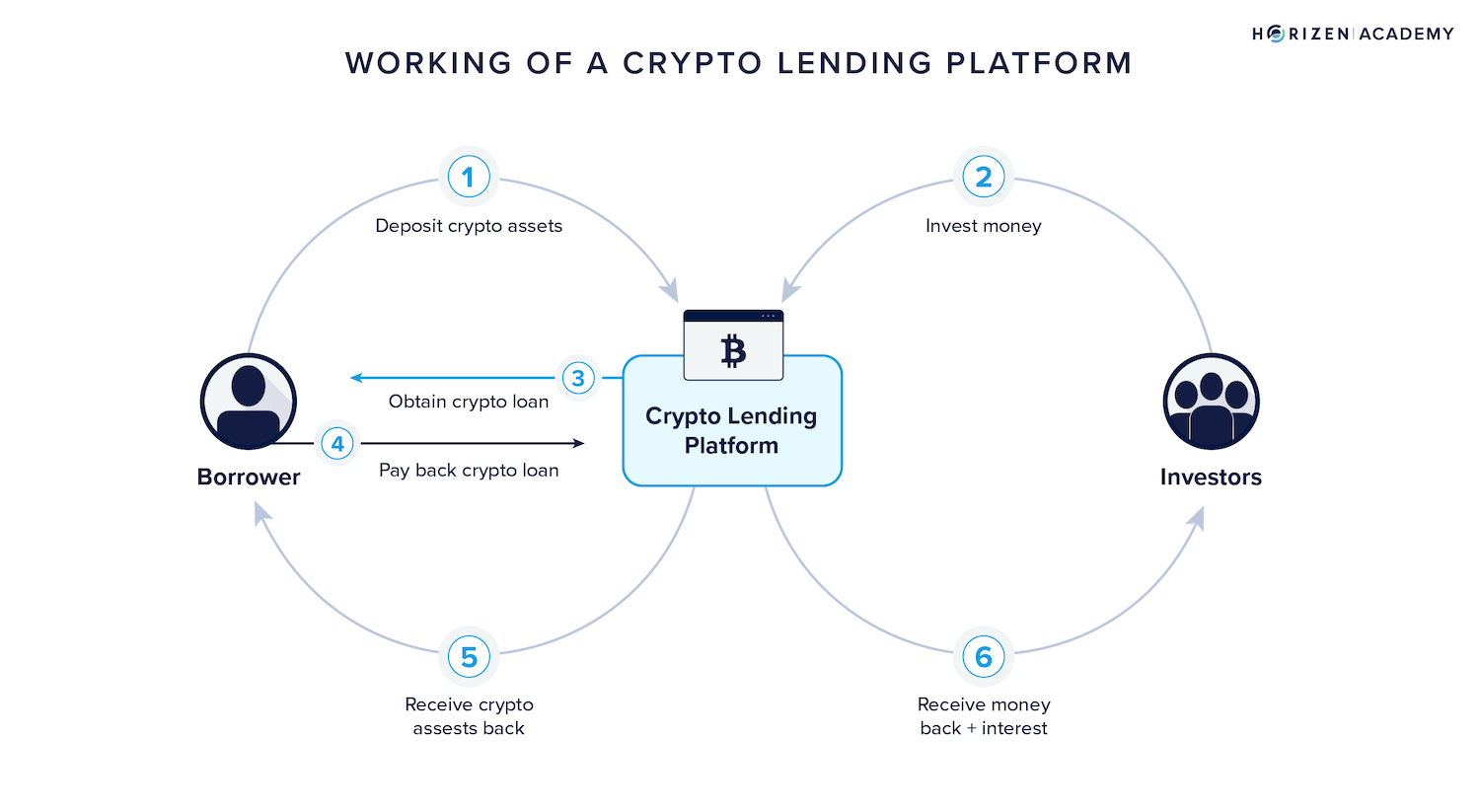
Crypto lending has evolved from a niche DeFi experiment into a structured financial infrastructure. At its core, the mechanism is simple: you deposit digital assets, and borrowers use them, paying interest in return. However, the infrastructure managing this exchange splits into two distinct paths—centralized exchanges (CEX) and decentralized finance (DeFi) protocols. Understanding the difference is the first step in assessing risk.
Centralized lending operates much like a traditional bank. You deposit crypto into a platform like Coinbase or Binance, which then lends those assets to institutional borrowers or margin traders. The platform acts as the intermediary, managing custody, compliance, and credit risk. While this offers a familiar user experience and often higher yields on stablecoins, it introduces counterparty risk. If the platform faces liquidity issues or regulatory action, your assets may be frozen or lost, as seen in high-profile collapses in recent years.
Decentralized finance (DeFi) removes the middleman entirely. Protocols like Aave or Compound run on smart contracts, allowing users to lend directly to other users or borrow against collateral without a central entity holding your keys. This "code is law" approach offers transparency and permissionless access. However, it shifts the risk profile. Instead of bank-style insurance, you rely on smart contract security and over-collateralization. If the code has a vulnerability or the market crashes too quickly, liquidations can occur with little recourse.
The rise of Real-World Assets (RWA) is blurring these lines. Protocols are now tokenizing traditional assets like U.S. Treasury bills, allowing crypto lenders to earn yield from stable, regulated markets while staying on-chain. This hybrid model aims to combine the efficiency of DeFi with the stability of traditional finance, though it requires navigating complex regulatory landscapes. As the market matures, the distinction between CEX and DeFi will likely continue to evolve, but the fundamental trade-off remains: convenience versus control.
Real-world asset yields explained
Real-world assets (RWA) have emerged as a distinct category in crypto lending, bridging traditional finance with digital infrastructure. Unlike pure DeFi protocols that rely on over-collateralization and volatile crypto assets, RWA lending platforms tokenize underlying real-world instruments—such as U.S. Treasury bills, private credit, or real estate debt. This shift allows lenders to access yields that are often decoupled from the extreme volatility of the broader crypto market.
The mechanics differ significantly from standard DeFi lending. In a typical DeFi scenario, you lock up ETH to borrow USDC, and the interest rate fluctuates based on supply and demand algorithms. With RWA, the yield is generated by the cash flow of the underlying asset. For example, if a platform tokenizes a portfolio of short-term government bonds, the yield you receive is largely driven by the interest payments from those bonds, minus platform fees. This creates a more predictable income stream, though it introduces different risks, such as counterparty risk with the originator of the asset or legal risks regarding the custody of the real-world collateral.
Regulatory scrutiny on these platforms is intensifying. The SEC and accounting bodies like PwC are closely examining how these loans are structured and accounted for. As noted in PwC's accounting guides, the legal structure of the lending arrangement—whether it is a true sale of the asset or a secured loan—dictates how it is treated on the balance sheet. This means that "yield" in the RWA space isn't just a number; it's a reflection of the legal enforceability of the underlying debt. Investors must verify that the real-world assets are properly segregated and that the token representing the loan has a clear legal claim on the collateral.

While RWA offers a path to more stable returns, it requires a deeper due diligence process. You are no longer just trusting code; you are trusting legal entities and real-world collateral. This makes RWA lending less about chasing the highest APY and more about understanding the risk-adjusted return of traditional assets delivered through a digital lens.
DeFi infrastructure risks to watch
DeFi lending protocols offer high yields, but they rely on complex code that can fail when market conditions shift. Unlike traditional banks, there is no deposit insurance or central authority to bail out a protocol if the underlying technology breaks. Understanding these structural weaknesses is essential before committing capital.
Oracle failures
Most lending protocols use price oracles to determine the value of collateral in real-time. If an oracle fails to update prices quickly enough during a market crash, it may report an asset’s value as higher than it actually is. This delay can allow borrowers to take out loans they shouldn’t qualify for, or prevent the system from triggering liquidations when necessary. A single broken data feed can drain a protocol’s liquidity pool.
Liquidation cascades
Liquidations are designed to protect lenders by selling off collateral when its value drops below a certain threshold. However, if many borrowers are liquidated at once, the forced selling can drive prices down further. This triggers more liquidations in a feedback loop known as a death spiral. Protocols must balance liquidation thresholds carefully; too loose, and bad debt accumulates; too tight, and users face unnecessary losses during normal volatility.
Protocol exploits and smart contract bugs
Smart contracts are immutable once deployed. If a developer misses a logic error or a vulnerability is discovered, attackers can exploit it to steal funds. High-profile exploits have drained billions from major lending platforms. While audits reduce risk, they do not eliminate it. New vulnerabilities often emerge from unexpected interactions between different protocols or from complex financial instruments like flash loans.
Comparing lending platforms and rates
The Crypto Lending works best as a clear sequence: define the constraint, compare the realistic options, test the tradeoff, and choose the path with the fewest hidden costs. That order keeps the advice usable instead of decorative. After each step, pause long enough to check whether the recommendation still fits the reader's actual situation. If it depends on perfect timing, unusual access, or a best-case budget, include a simpler fallback.
| Factor | What to check | Why it matters |
|---|---|---|
| Fit | Match the option to the primary use case. | A good deal still fails if it does not fit the job. |
| Condition | Verify age, wear, and service history. | Hidden condition issues erase upfront savings. |
| Cost | Compare purchase price with likely upkeep. | The cheapest option is not always the lowest-cost option. |
Steps for safe crypto lending
The Crypto Lending works best as a clear sequence: define the constraint, compare the realistic options, test the tradeoff, and choose the path with the fewest hidden costs. That order keeps the advice usable instead of decorative. After each step, pause long enough to check whether the recommendation still fits the reader's actual situation. If it depends on perfect timing, unusual access, or a best-case budget, include a simpler fallback.


Profitability and platform selection
Deciding whether to lend crypto involves balancing yield against platform risk. Stablecoins generally offer lower, more predictable returns, while volatile tokens promise higher yields at the cost of increased exposure to market swings.
Is crypto lending profitable?
Profitability depends on the asset and the platform. Lending stablecoins typically earns around 3% to 10% annually. Volatile tokens offer higher yields but carry more risk, including potential asset depreciation.
What is the best way to lend cryptocurrency?
DeFi protocols like Aave are among the most popular options. Built on Ethereum, Aave offers low interest rates and features like no-collateral flash loans. It remains one of the oldest and most trusted platforms in the sector.
No comments yet. Be the first to share your thoughts!