Crypto lending limits to account for
The crypto lending landscape has shifted from unregulated yield farming to a framework built on strict collateralization and compliance. Platforms no longer operate as simple banks; they function as algorithmic clearinghouses where risk is managed in real-time. Understanding these constraints is the first step in navigating a Crypto Lending guide that prioritizes capital preservation over speculative gains.
Collateralization ratios
Lenders rarely offer 1:1 loan-to-value (LTV) ratios. Most platforms require borrowers to post collateral worth 110% to 150% of the borrowed amount. This buffer protects the lender against market volatility. If the value of your collateral drops, you face a liquidation event, where the platform sells your assets to cover the loan. This mechanism ensures the platform remains solvent but exposes you to rapid price swings.
Regulatory reporting and KYC
The era of anonymous lending is largely over for institutional and high-volume retail users. Centralized lending platforms are subject to Know Your Customer (KYC) and Anti-Money Laundering (AML) regulations. As noted by the IRS, exchanges are required to collect identity data and report transaction flows. This means your lending activities are not invisible; they are tied to your identity and potentially subject to tax reporting obligations.
Smart contract and platform risk
Unlike traditional banks, crypto lending platforms often rely on smart contracts to manage loans. These contracts are immutable once deployed. If a bug exists in the code, or if the platform is hacked, funds can be lost permanently. Even reputable platforms carry counterparty risk. You are trusting the platform to manage your collateral and execute repayments correctly. Diversifying across platforms or using decentralized protocols with audited code can mitigate, but not eliminate, this risk.
Crypto lending choices that change the plan
Crypto lending offers liquidity without forcing a sale, but it introduces a distinct set of risks that differ from traditional finance. When you borrow against digital assets, you are essentially trading volatility for access to capital. The tradeoff is clear: you avoid immediate tax events on your holdings, but you assume the risk of liquidation if the market moves against your collateral.
To evaluate these tradeoffs, compare the core mechanics of centralized platforms versus decentralized protocols. Centralized exchanges often offer higher yields and fiat on-ramps but require trust in a single entity. Decentralized Finance (DeFi) offers transparency and non-custodial control but demands a deeper understanding of smart contract risk and impermanent loss.
The choice between these models depends on your comfort with counterparty risk. In a centralized model, you are exposed to the solvency of the lender. If the platform fails, as seen in past collapses, recovery is unlikely. In DeFi, the risk shifts to code vulnerabilities. While you retain custody, a bug in the lending protocol can result in total loss of collateral. Understanding these specific risks is essential before locking up assets.
Ultimately, the best strategy often involves diversifying across both environments. Use centralized platforms for straightforward fiat conversions and lower-risk stablecoin yields. Reserve decentralized protocols for advanced strategies where transparency and self-custody are paramount. Always calculate the potential liquidation price before borrowing to ensure your collateral buffer is sufficient for market swings.
Choose the next step
The Crypto Lending works best as a clear sequence: define the constraint, compare the realistic options, test the tradeoff, and choose the path with the fewest hidden costs. That order keeps the advice usable instead of decorative. After each step, pause long enough to check whether the recommendation still fits the reader's actual situation. If it depends on perfect timing, unusual access, or a best-case budget, include a simpler fallback.


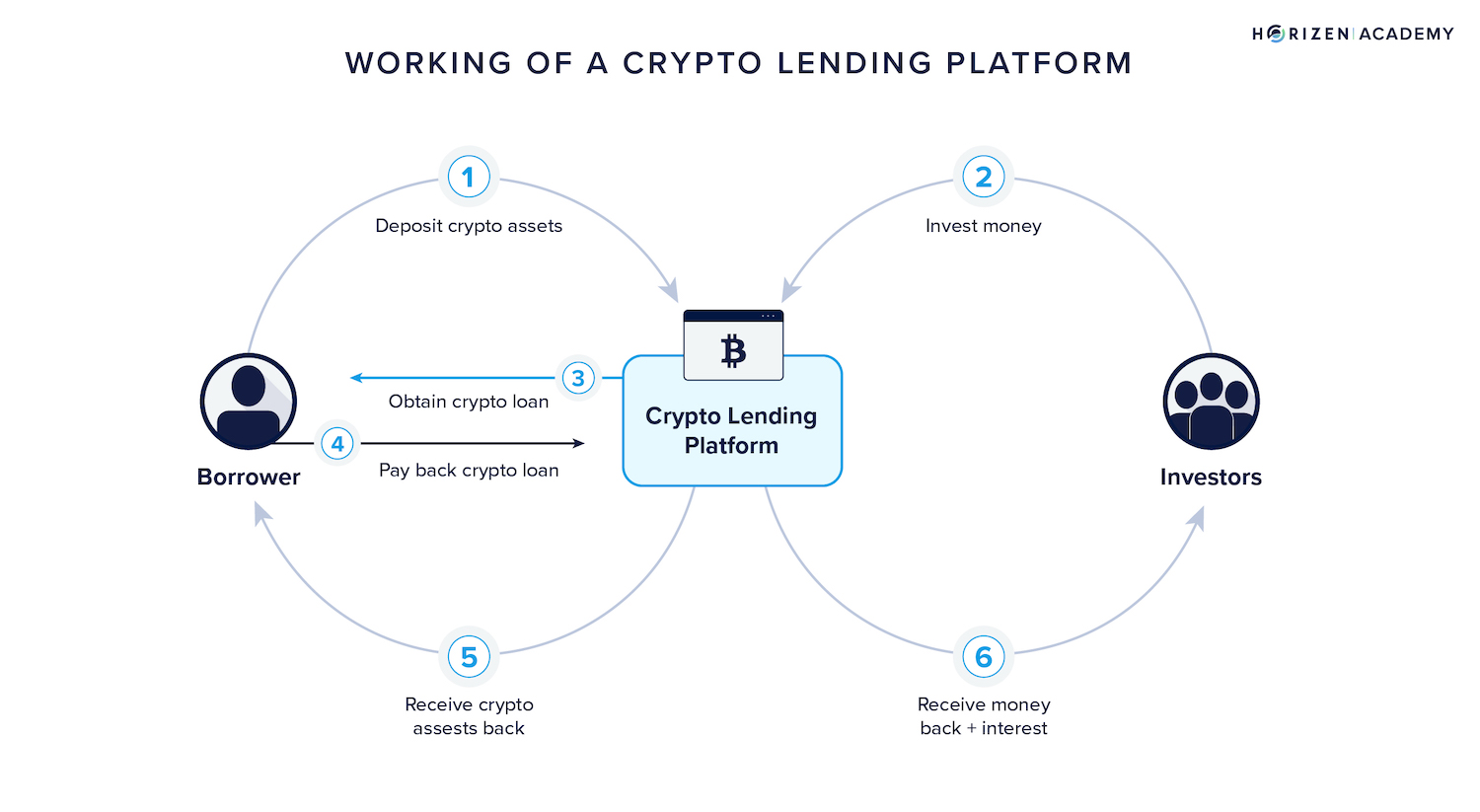
Watch for weak options in crypto lending
Not all lending platforms or loan structures offer the same value. Some options look attractive on the surface but hide significant risks or hidden costs. Before committing your assets, it is important to identify these weak options to protect your capital.
High-interest stablecoin pools with no transparency
Many platforms advertise high yields on stablecoin lending. However, if the platform does not disclose its lending partners or how it generates returns, the yield is likely unsustainable. These pools often rely on speculative lending or unverified counterparties. If you cannot verify where your funds are going, assume the principal is at risk.
Loans with aggressive liquidation triggers
When borrowing against crypto, the loan-to-value (LTV) ratio determines your safety margin. Weak loans have high LTVs, meaning a small drop in your collateral’s price triggers a forced sale. This can result in losing your asset at a loss while still owing the loan balance. Always check the liquidation threshold and ensure it allows for significant market volatility.
Platforms lacking regulatory compliance
Some lending services operate without proper licensing or KYC (Know Your Customer) procedures. While this might seem appealing for privacy, it often signals a lack of oversight and security. Without regulatory backing, there is no recourse if the platform fails or is hacked. Stick to platforms with clear legal structures and audited smart contracts to mitigate this risk.
Crypto lending: what to check next
Before committing capital to crypto lending, it helps to separate marketing claims from operational reality. The following answers address the most common practical objections regarding yield, taxation, collateral flexibility, and income expectations.
Helpful gear
Use these product recommendations as a starting point, then choose the size, material, and price point that fit how you actually use the gear.



As an Amazon Associate, we may earn from qualifying purchases.
No comments yet. Be the first to share your thoughts!