What is crypto-backed lending?
Crypto-backed lending is a financial mechanism that allows you to borrow cash or stablecoins using your existing cryptocurrency holdings as collateral. Instead of selling your Bitcoin or Ethereum—which would trigger a taxable event and remove you from potential future upside—you pledge the assets to a lending platform. The platform holds the collateral in a secure wallet, and in exchange, you receive a loan that you can use for any purpose.
This process functions differently from traditional fiat loans. Traditional banks require extensive credit checks, income verification, and collateral like a house or car. Crypto lenders, particularly decentralized finance (DeFi) protocols, often operate without a credit score. Instead, they rely on overcollateralization. You must pledge more value in crypto than the amount you wish to borrow. For example, to borrow $10,000, you might need to lock up $15,000 worth of Bitcoin. This buffer protects the lender if the crypto market drops suddenly.
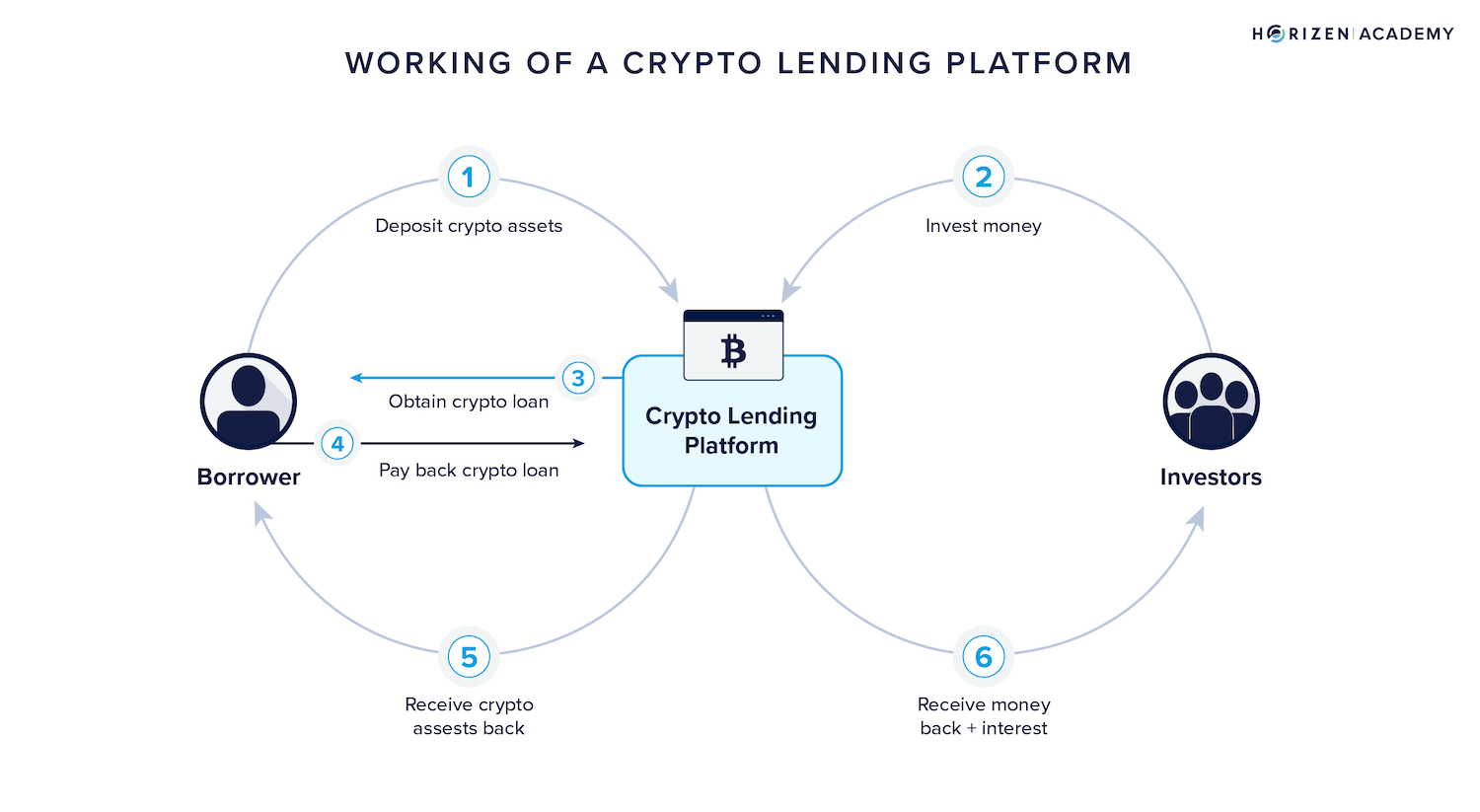
The core mechanic is straightforward: lock assets, receive funds, repay loan, unlock assets. While centralized exchanges like Coinbase offer these services with user-friendly interfaces, decentralized protocols allow you to interact directly with smart contracts on the blockchain. This distinction matters for both security and control, but the fundamental principle remains the same: you are leveraging your digital assets for liquidity without selling them.
To understand the current market dynamics and volatility that influence loan-to-value ratios, it helps to look at the underlying asset performance.
The ability to borrow against crypto opens up liquidity without liquidating your portfolio. However, it introduces specific risks, primarily related to collateral valuation. If the price of your pledged cryptocurrency falls below a certain threshold, known as the liquidation price, the platform may automatically sell your collateral to cover the loan. This is why understanding the mechanics of collateralization is essential before borrowing.
How crypto lending mechanics work
Crypto lending lets you access cash without selling your digital assets. Instead of a traditional bank loan, you pledge cryptocurrency as collateral to a lender or platform. This process preserves your holdings, allowing them to potentially appreciate in value while you use the borrowed funds for other needs.
The mechanics follow a strict, automated sequence defined by smart contracts. Understanding these steps is essential to managing risk, particularly the threat of liquidation if market conditions shift.

The process begins by transferring your chosen cryptocurrency—such as Bitcoin or Ethereum—to a designated wallet on the lending platform. Once deposited, these assets are locked and cannot be traded or moved until the loan is repaid. This collateral serves as the security guarantee for the lender.
Platforms assign a Loan-to-Value (LTV) ratio that determines how much you can borrow relative to your collateral. For example, a 50% LTV means you can borrow $50,000 against $100,000 in Bitcoin. Lower LTV ratios reduce risk for lenders and borrowers alike, while higher ratios increase potential returns but also expose you to greater volatility.

After the collateral is secured and the LTV is calculated, the platform disburses the loan. Borrowers typically receive funds in stablecoins like USDC or USDT, though some platforms offer fiat currency transfers. These funds can be withdrawn to external wallets or used for trading and other financial activities.
The most critical aspect of crypto lending is monitoring the value of your collateral. If the price of your pledged assets drops significantly, your LTV may exceed the platform's safety threshold. This triggers a liquidation event, where the platform automatically sells your collateral to cover the loan, often at a loss.

To avoid liquidation, you must repay the loan principal plus interest. Once the loan is fully settled, the smart contract releases your collateral back to your wallet. You retain any remaining value, and if the asset price has risen, you benefit from both the loan utility and the asset appreciation.
To understand how price volatility impacts these mechanics, consider the current market movement of Bitcoin. A sharp drop in price can quickly erode your collateral buffer, making real-time monitoring essential.
Compare top crypto lending platforms
Choosing the right platform depends on whether you prioritize regulatory compliance, low interest rates, or access to a wider range of collateral. Centralized finance (CeFi) lenders like Coinbase and Nexo operate as traditional intermediaries, offering customer support and insurance coverage but requiring identity verification. Decentralized finance (DeFi) protocols like Aave and Compound allow you to borrow directly from liquidity pools without a middleman, though this requires managing smart contract risks and gas fees.
The table below outlines the core differences between major providers. Rates and loan-to-value (LTV) ratios fluctuate based on market demand and collateral type, so always verify current terms before depositing assets.
| Platform | Type | APR Range | Key Collateral | Regulation |
|---|---|---|---|---|
| Coinbase | CeFi | 8-12% | BTC, ETH | US Regulated |
| Nexo | CeFi | 4-9% | 30+ Coins | EU Licensed |
| Aave | DeFi | Variable | ETH, WBTC | On-Chain |
| Compound | DeFi | Variable | ETH, USDC | On-Chain |
| BlockFi | CeFi | 5-8% | BTC, ETH | US Regulated |
CeFi platforms generally offer lower APRs for stablecoins and higher rates for volatile assets like Bitcoin. They are suitable for users who want a familiar banking-like interface and potential insurance on deposits. However, they hold custody of your assets, meaning you must trust the platform's solvency and security practices.
DeFi platforms offer greater transparency and control. You retain custody of your private keys and interact directly with smart contracts. While APRs can be more competitive, they are often variable and subject to sudden changes based on liquidity depth. DeFi is ideal for experienced users comfortable with wallet management and smart contract risks.
Key risks and liquidation scenarios
Borrowing against digital assets introduces specific vulnerabilities that differ significantly from traditional finance. The primary danger is liquidation, a process where your collateral is automatically sold to repay the loan if the asset's value drops below a certain threshold. This mechanism is designed to protect lenders, but it leaves borrowers exposed to rapid market swings.
Liquidation Cascades
Crypto markets are highly volatile. If the price of your collateral asset falls sharply, you may face a "liquidation cascade." This occurs when a large number of positions are liquidated simultaneously, causing a domino effect that drives prices even lower. In such scenarios, you might lose your entire collateral position, even if you intended to hold the asset long-term. Maintaining a healthy loan-to-value (LTV) ratio and keeping extra collateral in your account can provide a buffer against these sudden drops.
Smart Contract Vulnerabilities
In decentralized finance (DeFi), lending protocols operate via smart contracts—self-executing code on the blockchain. While these remove intermediaries, they also introduce technical risks. Bugs or vulnerabilities in the code can be exploited by hackers, potentially leading to the loss of your collateral. Unlike traditional banks, there is no customer service or insurance fund to reimburse you if a protocol is compromised. Always audit the protocol’s security history and consider using established platforms with proven track records.
Counterparty Risk in CeFi
Centralized finance (CeFi) platforms act as intermediaries, holding your assets in custody. This introduces counterparty risk: if the platform becomes insolvent, is hacked, or faces regulatory action, your collateral may be frozen or lost. The collapse of major lenders has demonstrated that funds are not always as secure as they appear. It is essential to understand who holds your assets and whether they are segregated from the platform’s operational funds.
Tax implications of borrowing crypto
Borrowing against digital assets is generally not a taxable event. The Internal Revenue Service (IRS) treats a crypto loan as a liability, not as income. You are simply using your existing holdings as collateral to secure funds. Since you have not sold the asset, no capital gain or loss is triggered at the time of borrowing.
This rule applies whether you borrow from a centralized exchange or a decentralized finance (DeFi) protocol. The transaction is a loan agreement. You retain ownership of the underlying collateral. You do not recognize taxable income until you repay the loan and retrieve your assets, or if the loan structure is deemed a sale under specific accounting rules.
However, there are important exceptions. If the lender requires you to pay interest in cryptocurrency, those payments are typically treated as taxable interest income. Additionally, if you fail to repay the loan and the lender seizes your collateral, that event is treated as a taxable sale of the asset. You will owe capital gains tax on the difference between the asset’s basis and its value at the time of liquidation.
Keep records of your loan agreements, interest payments, and any liquidation events. Consult a tax professional to ensure compliance with current regulations, as the tax treatment of crypto assets continues to evolve.
Frequently asked: what to check next
These answers address common questions about borrowing against digital assets and the mechanics of crypto lending.
Disclaimer: This content is for informational purposes only and does not constitute financial advice. Crypto markets are highly volatile.
No comments yet. Be the first to share your thoughts!