Crypto lending infrastructure limits to account for
The shift from retail speculation to institutional adoption hinges on whether crypto lending infrastructure can handle the scale of traditional finance. While the mechanics are straightforward—borrowers pledge digital assets like Bitcoin or Ethereum as collateral to secure fiat or stablecoin loans—the underlying plumbing requires significant upgrades to meet institutional standards.
Institutional players demand more than just yield; they require robust risk management, transparent liquidity pools, and regulatory compliance. Platforms like Galaxy’s Institutional Lending Desk cater to this need by offering bespoke financing solutions designed for corporations and qualified individuals, focusing on risk mitigation rather than just asset acquisition [src-1]. This contrasts with the broader retail market, where the primary appeal is simply unlocking liquidity from dormant crypto holdings without selling [src-2].
For the infrastructure to support mass adoption, it must bridge the gap between these two worlds. This means moving beyond simple over-collateralization models to include sophisticated credit scoring, real-time oracle data feeds, and legal frameworks that protect both lenders and borrowers. Without these foundational upgrades, crypto lending will remain a niche product for high-net-worth individuals rather than a core component of the global financial system.
Crypto lending infrastructure choices that change the plan
Institutional adoption of crypto lending hinges on balancing yield generation with strict risk controls. Unlike traditional banking, where collateral is often real estate or receivables, crypto lending relies on digital assets that can experience extreme volatility in short timeframes. Therefore, the infrastructure supporting these loans must prioritize liquidity management, overcollateralization, and transparent liquidation mechanisms.
When evaluating lending platforms, institutions must look beyond advertised APY rates. The true cost of borrowing and the safety of lending depend on the platform's capital structure, the quality of its oracle feeds, and its legal jurisdiction. A platform offering high yields may be masking significant counterparty risk or operating in a regulatory gray area.
The following comparison highlights key infrastructure components across major institutional lending providers. These factors determine how effectively a platform can manage risk during market stress and serve as reliable intermediaries for large-scale transactions.
| Provider | Primary Collateral | Risk Model | Liquidity Source |
|---|---|---|---|
| Galaxy Digital | BTC, ETH, Stablecoins | Institutional Desk, Custom LTV | Internal Balance Sheet |
| Nexo | 150+ Cryptos | Algorithmic Liquidation | Interbank Lending |
| Celsius (Historical) | BTC, ETH, USDC | Fractional Reserve, High LTV | DeFi Yield Farming |
| BlockFi (Historical) | BTC, ETH, Stablecoins | Algorithmic Liquidation | Institutional Partnerships |
Evaluating Risk and Liquidity
The most critical tradeoff in crypto lending is between yield and capital preservation. Platforms that lend out borrower collateral to third parties (such as hedge funds or DeFi protocols) can offer higher returns but introduce counterparty risk. If a borrower defaults or a DeFi protocol is exploited, the lender may not recover their principal.
Institutional investors should prefer platforms that maintain segregated custody of assets and use conservative loan-to-value (LTV) ratios. Overcollateralization is non-negotiable; typically, borrowers must pledge more than 100% of the loan value to absorb price drops. Liquidation thresholds should be clearly defined and executed automatically via smart contracts or oracle feeds to prevent insolvency.
Build a practical crypto lending framework
Institutional adoption relies on infrastructure upgrades that reduce counterparty risk and improve yield transparency. To navigate this landscape, you need a decision framework that prioritizes security over headline rates. The best platforms now offer real-time proof of reserves and on-chain collateral monitoring, moving beyond the opaque balance sheets of the past.
Start by evaluating the platform’s risk management protocols. Look for features like automated liquidation engines and multi-signature custody solutions. These technical upgrades ensure that your assets are protected during market volatility, a critical factor for institutional capital allocation.
Next, assess the yield generation mechanisms. Sustainable yields come from verified lending activity, not unsustainable incentives. Compare platforms based on their underlying asset liquidity and the clarity of their fee structures. Avoid platforms promising returns that deviate significantly from the broader market average, as these often signal hidden risks.
Finally, consider the regulatory compliance and insurance coverage. Institutional-grade platforms typically offer custodial insurance and adhere to strict KYC/AML standards. This layer of protection is essential for large-scale deployments, ensuring that your lending strategy aligns with institutional risk tolerances and regulatory requirements.
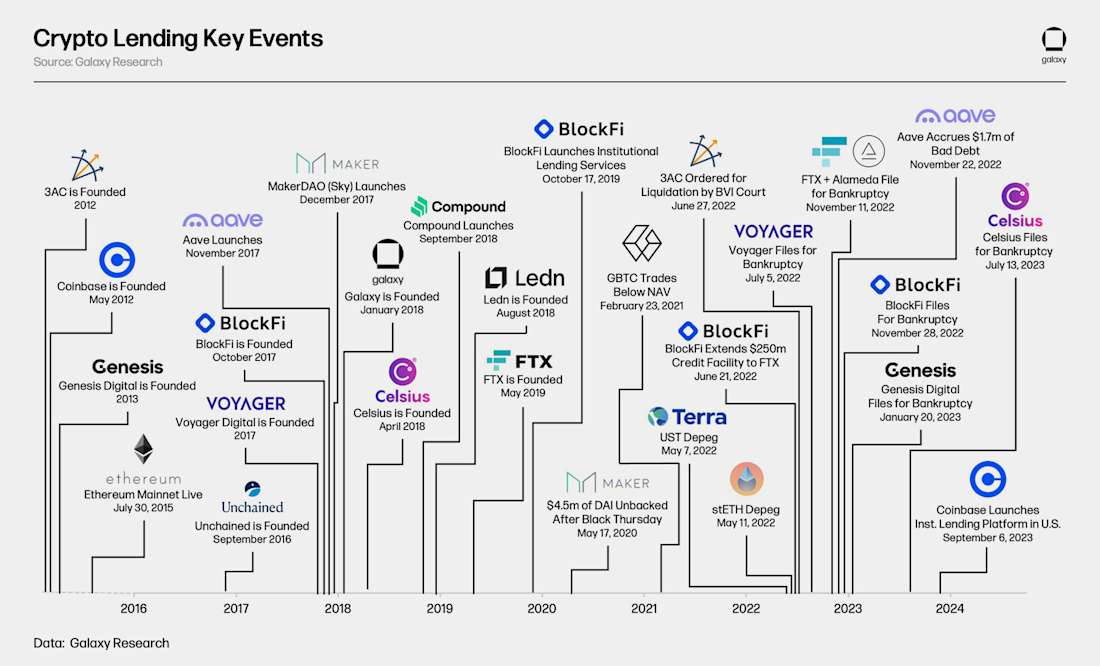
Prioritize platforms that publish real-time, cryptographic proof of reserves. This transparency ensures that the platform holds sufficient assets to cover all user deposits, reducing counterparty risk significantly compared to traditional opaque banking models.
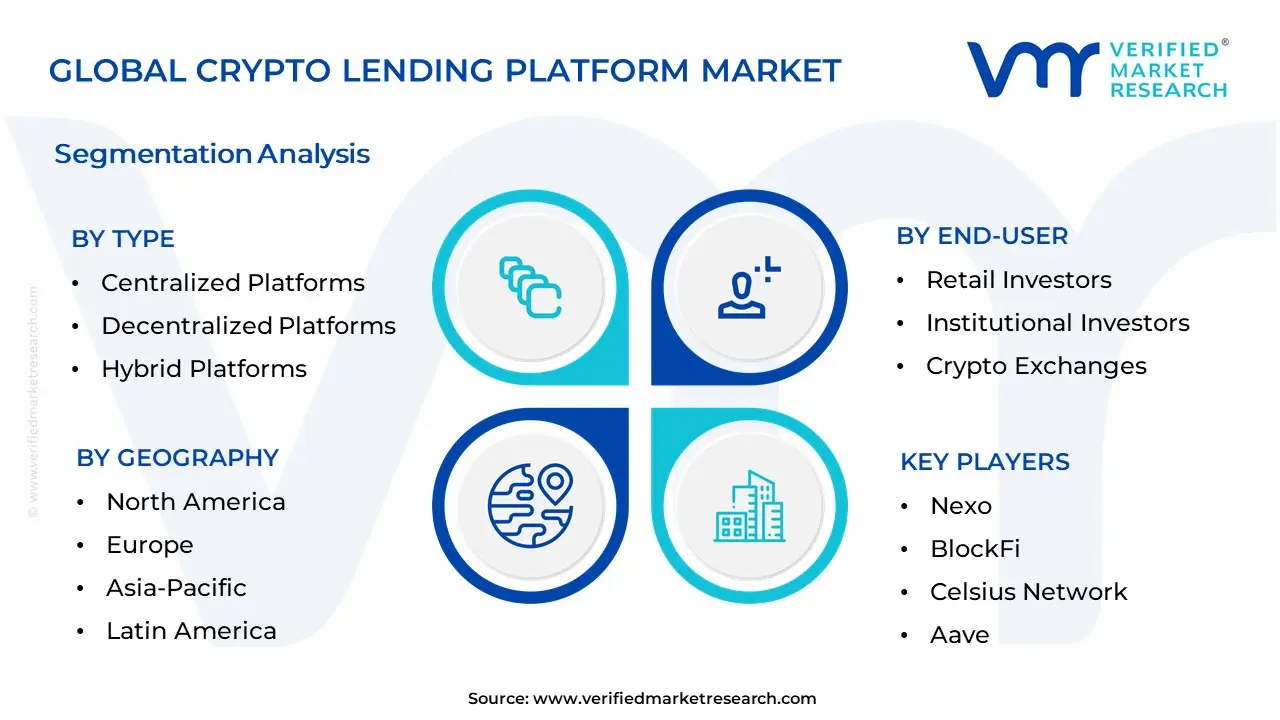
Check the platform’s automated liquidation mechanisms. Robust systems trigger liquidations before collateral values drop below safety thresholds, protecting both lenders and borrowers from sudden market crashes and ensuring stable yield generation.

Institutional investors require multi-signature custody and segregated asset storage. Verify that the platform uses cold storage for the majority of funds and has a clear insurance policy covering custodial errors or hacks.



As an Amazon Associate, we may earn from qualifying purchases.
Spotting Weak Options and Misleading Claims
Crypto lending promises high yields, but the infrastructure often hides significant risk. Institutional adoption requires transparency that many retail platforms lack. Before committing capital, you must distinguish between robust lending desks and fragile yield aggregators.
The Infrastructure Gap
Many platforms advertise "institutional-grade" security while relying on unverified smart contracts. Galaxy’s Institutional Lending Desk, for example, offers financing for qualified individuals and corporations, emphasizing risk management over aggressive yield chasing. This approach contrasts sharply with platforms that prioritize APR above all else. Always verify if the lending desk is backed by a regulated entity or operates in a legal gray area.
Yield vs. Reality
High yields often signal high risk. If a platform offers returns significantly above market rates, it is likely leveraging your assets in opaque ways. Borrowing against volatile assets like XRP or Bitcoin requires strict liquidation thresholds. Check the loan-to-value (LTV) ratios carefully. A sudden market drop can trigger automatic liquidation, wiping out your collateral.
Common Mistakes
- Ignoring Counterparty Risk: Who holds your assets? If the lender goes bankrupt, do you have a claim?
- Overlooking Liquidity: Can you withdraw your funds instantly? Many platforms lock assets for fixed terms.
- Neglecting Regulatory Compliance: Platforms operating without proper licenses may face sudden shutdowns.
Focus on platforms with clear audit trails and regulatory compliance. The best crypto lending platforms are those that prioritize safety and transparency over short-term yield spikes.
Crypto lending infrastructure: what to check next
Before committing capital to yield strategies or borrowing structures, it is essential to understand the mechanical realities of crypto lending infrastructure. The following answers address the most common practical objections regarding profitability, collateral options, platform selection, and inherent risks.
Is crypto lending profitable?
Profitability depends on the spread between the yield generated by lending your assets and the cost of borrowing, minus platform fees. For lenders, yields are driven by demand from institutional borrowers and market volatility. For borrowers, the "cost" is the interest paid, which can be offset if the borrowed capital is deployed into higher-yielding opportunities. However, profitability is not guaranteed; it fluctuates with liquidity conditions and asset price movements. Always calculate net yield after accounting for all platform fees and potential slippage.
Can I borrow against my XRP?
Yes, you can borrow against XRP, as most major crypto lending platforms support a wide range of altcoins beyond Bitcoin and Ethereum. Lenders typically assign a Loan-to-Value (LTV) ratio to XRP, which determines how much you can borrow relative to your collateral. Because XRP is more volatile than Bitcoin, the LTV ratio is often lower, meaning you must provide more collateral to secure the same loan amount. Be aware that altcoin collateral carries a higher risk of liquidation if the market price drops sharply.
What is the best crypto lending platform?
There is no single "best" platform; the right choice depends on your specific needs as an institutional investor or qualified individual. Factors to consider include regulatory compliance, insurance coverage, interest rates, and the range of supported assets. Platforms like Galaxy offer bespoke solutions for institutions, while others provide retail-focused interfaces. Evaluate each platform based on its security infrastructure, transparency of reserves, and historical stability during market stress. Diversifying across platforms can also mitigate counterparty risk.
What are the risks of crypto lending?
Crypto lending involves several distinct risks that differ from traditional finance. The primary risk is smart contract vulnerability, where code flaws can lead to fund theft. Counterparty risk is also significant; if the lending platform becomes insolvent, you may lose your collateral or deposits. Additionally, market volatility can trigger automatic liquidations of your collateral if the asset price falls below the maintenance margin. Regulatory uncertainty adds another layer of risk, as changes in law could impact platform operations or asset accessibility. Always conduct thorough due diligence on the platform's security audits and legal standing.
No comments yet. Be the first to share your thoughts!