Define your lending risk profile
Crypto lending is a financial transaction where one party lends cryptocurrency to another in exchange for compensation, but the mechanism behind that compensation dictates your exposure to risk. In 2026, the landscape splits into two distinct camps: centralized finance (CeFi) and decentralized finance (DeFi). Choosing between them requires aligning your platform choice with your tolerance for counterparty risk and your need for immediate liquidity.
CeFi platforms act like traditional banks. You deposit assets, and the platform lends them out to institutional borrowers. The benefit is simplicity and often higher, guaranteed yields. The cost is custodial risk. If the platform faces insolvency or regulatory action, your funds are frozen. This model suits investors who prioritize yield stability over absolute control, accepting that they are trusting a corporate entity with their capital.
DeFi lending operates on smart contracts. There is no middleman to fail, but there is no customer support to call. Your risk shifts from corporate bankruptcy to code vulnerability and market volatility. You retain custody of your assets until the moment of lending, but you must manage over-collateralization and liquidation thresholds. This model suits technical users who want transparency and control, accepting that they are responsible for navigating protocol risks.
Your risk profile should also factor in liquidity needs. CeFi withdrawals can be delayed during periods of high network congestion or platform stress. DeFi withdrawals are instant, provided the liquidity pool has sufficient depth. For most investors, a hybrid approach works best: using DeFi for core holdings to maintain custody, and CeFi for opportunistic yield on stablecoins where speed and simplicity outweigh custodial concerns.
CeFi vs DeFi Lending Models
Choosing between centralized and decentralized lending is the first structural decision in a 2026 crypto strategy. Each model offers distinct trade-offs between yield potential, custody control, and regulatory exposure. Understanding these mechanics helps you allocate capital where it aligns with your risk tolerance.
Centralized finance (CeFi) platforms operate like traditional banks. You deposit crypto into a platform that lends it out to institutional borrowers or uses it for proprietary trading. In return, you earn interest. The primary advantage is simplicity and often higher yields due to leverage strategies. However, you surrender custody of your assets. If the platform faces insolvency or regulatory action, your funds are at risk. Recent industry history has highlighted the dangers of commingling user funds, making counterparty risk the central concern here.
Decentralized finance (DeFi) lending happens on public blockchains via smart contracts. You deposit crypto directly into a protocol, which makes it available for borrowing by others. There is no middleman. DeFi protocols typically require overcollateralization, meaning borrowers must pledge more value than they borrow. This mechanism provides a safety buffer against volatility but can limit the maximum loan-to-value ratios compared to CeFi. You retain custody of your assets until you interact with the contract, but you assume the risk of smart contract bugs or protocol exploits.
The table below breaks down the key operational differences to help you evaluate which model fits your specific lending goals.
| Feature | CeFi Lending | DeFi Lending |
|---|---|---|
| Custody | Platform holds keys | User holds keys |
| Regulation | KYC/AML required | Permissionless |
| Yield Source | Lending to institutions | Borrower interest |
| Collateral | Often undercollateralized | Overcollateralized |
| Risk Type | Counterparty bankruptcy | Smart contract bugs |
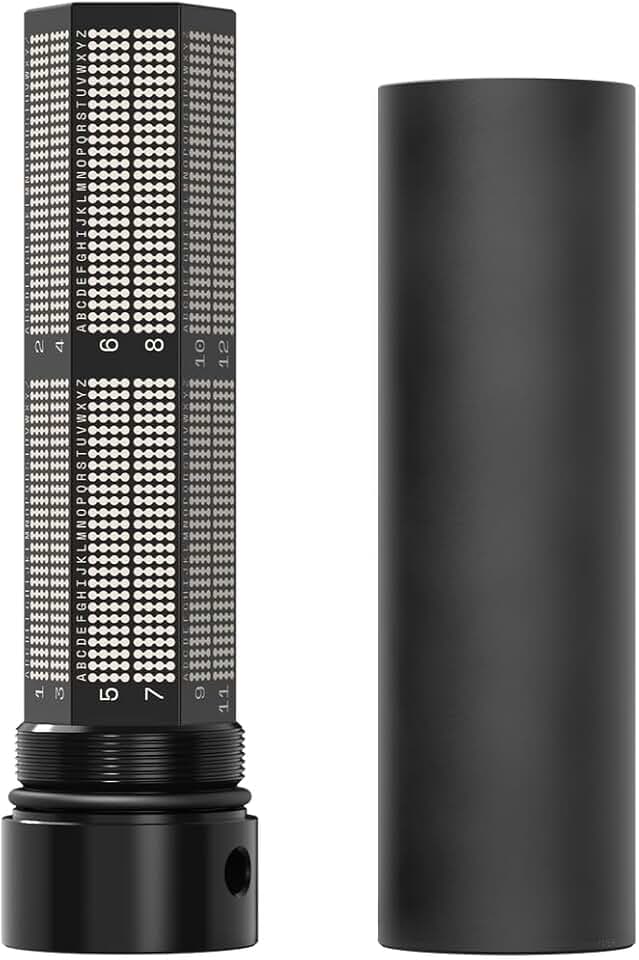
For those interested in securing their lending infrastructure, proper hardware is essential. Secure storage solutions ensure that your private keys remain offline and protected from digital threats.


As an Amazon Associate, we may earn from qualifying purchases.
Evaluate collateralization requirements
Over-collateralization is the bedrock of crypto lending, and in 2026, it remains the primary defense against market volatility. Unlike traditional finance, where credit scores and income verification determine loan limits, crypto protocols rely on math. Borrowers must pledge collateral worth more than the loan amount, creating a buffer that protects lenders if asset prices tumble. This mechanic eliminates the need for credit checks, allowing for swift access to liquidity but requiring borrowers to lock up significant capital.
The mechanics are straightforward but impactful. If you borrow $10,000 against Bitcoin, you might need to pledge $15,000 worth of BTC. This ratio, known as the Loan-to-Value (LTV), varies by asset. Bitcoin, being less volatile, might support a higher LTV, while altcoins often require much larger collateral deposits. This structure ensures that even if the market drops sharply, the protocol has enough assets to cover the loan without immediate loss.
However, this safety net comes with a liquidity cost. Tying up capital in collateral reduces your ability to deploy funds elsewhere. In a high-volatility environment, this impact is magnified. If your collateral value drops too close to the loan balance, you face a margin call or liquidation. Protocols will automatically sell your collateral to repay the debt, often at the worst possible moment.

Understanding these requirements is critical for strategy. You must calculate not just the initial LTV but also the liquidation threshold. A small drop in asset price can trigger a forced sale, eroding your position. Therefore, maintaining a healthy buffer is not just prudent; it is essential for survival in the crypto lending space. Always review the specific collateralization rules of each platform, as they can change rapidly based on market conditions.
Assess smart contract and counterparty risks
Building a lending strategy in 2026 requires you to understand that "risk" looks very different depending on where you park your capital. In decentralized finance (DeFi), your primary enemy is code. In centralized finance (CeFi), it is the people running the platform. Treating these risks as identical is the fastest way to lose principal.
DeFi: The Code Risk
When you lend on a blockchain, you are interacting with smart contracts—autonomous programs that hold your funds. If there is a bug in the code, or if the logic fails to account for an edge case, attackers can drain the liquidity pool. There is no customer support to call when a contract is exploited.
In 2026, the focus has shifted from simple hacks to complex "flash loan" attacks and oracle manipulations. Even well-audited protocols carry residual risk. You must assess whether a protocol has a bug bounty program, how long it has been live, and whether it uses formal verification methods. The code is the only counterparty you have, and it is unforgiving.
CeFi: The Insolvency Risk
Centralized exchanges act like banks, but they often operate with less transparency. The risk here is not a code bug, but poor financial management. If a platform lends out your deposited assets to traders without maintaining adequate reserves, it faces insolvency if those loans go bad. The collapse of major lenders in previous cycles was rarely due to external attacks; it was due to internal mismanagement and opaque balance sheets.
To mitigate this, you need to look for proof of reserves and regular third-party audits. However, even with audits, you are trusting a corporate entity to act in your best interest. If they fail, your funds are likely gone. Unlike DeFi, where you retain custody until the moment of lending, CeFi requires you to hand over control of your assets entirely.
The Trade-off
The choice between DeFi and CeFi is a trade-off between technical risk and institutional risk. DeFi offers transparency and non-custodial control but exposes you to code vulnerabilities. CeFi offers simplicity and potential insurance coverage but exposes you to corporate failure. A robust 2026 strategy diversifies across both, keeping capital in DeFi for yield generation and in CeFi only for liquidity and convenience, never for long-term storage.
Select tools for monitoring and execution
You have your strategy. Now you need the infrastructure to execute it without losing sleep. The 2026 crypto lending landscape is defined by two things: real-time data visibility and ironclad security. If you are monitoring your positions manually, you are already behind.
Start with live price feeds. Volatility doesn’t wait for your refresh rate. Integrate a PriceWidget for your primary collateral assets like Bitcoin or Ethereum directly into your dashboard. This isn’t just about watching numbers; it’s about seeing your liquidation risk before it becomes a margin call.
For execution, choose platforms that prioritize security over flashy yield. Centralized exchanges offer ease of use, while DeFi protocols provide transparency. Look for features like multi-signature wallets, cold storage options, and regular third-party audits. Avoid platforms that obscure their reserve proofs. Your tools should act as a shield, not a gamble.
Finally, set up automated alerts. Configure notifications for price drops, interest rate changes, and health factor thresholds. This allows you to stay hands-off while remaining in control. The best tool is the one that keeps you informed without keeping you glued to a screen.
Final Checklist for 2026 Lending
Before moving capital, verify your setup against these five points. This checklist ensures your yield strategy accounts for 2026’s specific regulatory and technical landscape.
Confirm the lending platform holds current licenses in your jurisdiction. 2026 regulations vary significantly by region, so avoid platforms operating in legal gray areas.
Check that the underlying protocols have recent, reputable audit reports. Look for audits from firms with a track record in DeFi security, not just a single pass.

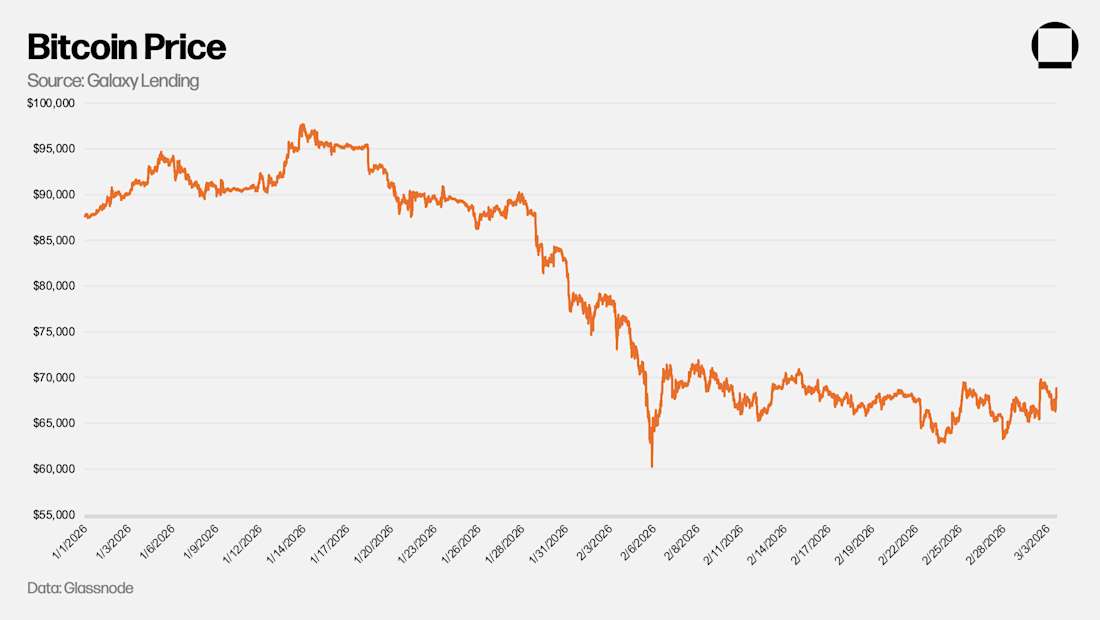
Ensure your collateral ratio is high enough to survive a 30% market drop. In volatile markets, under-collateralization leads to immediate liquidation.
Split your capital across multiple platforms or protocols. Relying on a single lender concentrates your risk if that platform faces technical or solvency issues.
Understand lock-up periods and withdrawal fees. Some 2026 products restrict access during network congestion or require notice periods that could delay your exit.
No comments yet. Be the first to share your thoughts!