The reality of crypto lending analysis
Crypto lending analysis requires looking past the headline yields to understand the underlying infrastructure. The market has shifted from a frontier of unregulated experimentation to a landscape dominated by stablecoin mechanics. Tether is the dominant lender in the CeFi lending market, commanding a 57.02% share, followed by Nexo with 11.01%. This concentration means that platform risk is often synonymous with stablecoin issuer risk.
Retail investors face significant hurdles in this environment. The FCA has explicitly stated that crypto lending presents risks of significant harm, including loss of ownership and liquidity constraints. When platforms fail, borrowers often find their collateral locked or seized, while lenders face prolonged insolvency proceedings with little recourse.
A practical analysis focuses on three concrete checks: the transparency of the collateral pool, the regulatory jurisdiction of the custodian, and the liquidity depth of the underlying assets. Without these fundamentals, high yields are simply a premium for taking on unquantifiable counterparty risk. The best crypto lending platform in the USA is not necessarily the one with the highest APY, but the one with the most auditable reserve proof and regulatory compliance.
Crypto Lending Analysis: The Tradeoffs You Can't Ignore
The promise of double-digit yields in crypto lending is real, but the infrastructure supporting it is fragile. The market is currently dominated by centralized entities like Tether, which controls over half the CeFi lending market, alongside platforms like Nexo. This concentration creates a single point of failure for retail investors seeking passive income.
Before committing capital, you must evaluate three concrete tradeoffs: counterparty risk, liquidity constraints, and regulatory exposure. Unlike traditional bank deposits, crypto lending rarely offers FDIC insurance. When a platform fails, as seen in recent industry collapses, recovery rates for unsecured creditors are often near zero.
The following comparison breaks down the primary risk vectors across different lending structures. Use this table to stress-test any platform against these baseline criteria.
| Feature | CeFi (Centralized) | DeFi (Decentralized) | Risk Profile |
|---|---|---|---|
| Asset Custody | Platform holds keys | Smart contract/your wallet | High for CeFi |
| Insurance | Rare, limited caps | Protocol-specific (e.g., Nexus Mutual) | Variable |
| Liquidity Access | Withdrawal queues common | Instant (if pool has depth) | High for CeFi |
| Regulatory Oversight | Varies by jurisdiction | Generally unregulated | High for both |
The FCA has explicitly warned that crypto lending presents "risks of significant harm," including the total loss of ownership and liquidity traps. While decentralized finance (DeFi) protocols offer transparency through on-chain code, they introduce smart contract risk. Centralized platforms offer customer support but hide their balance sheets. There is no middle ground that eliminates risk entirely; you are choosing which type of failure you are more comfortable with.
Always assume the yield is compensation for the risk of total loss. If a platform offers returns significantly above the risk-free rate without clear collateralization mechanics, treat it as a warning sign rather than an opportunity.
How to Evaluate Crypto Lending Infrastructure
The crypto lending landscape has shifted from a gold rush to a structured market. Tether now dominates the CeFi lending market with a 57% share, while platforms like Nexo hold smaller but significant portions. This concentration changes the risk profile: you are no longer betting on a startup’s survival, but on the solvency of established financial engines.
To navigate this, use a four-step framework that prioritizes transparency and liquidity over headline yields.
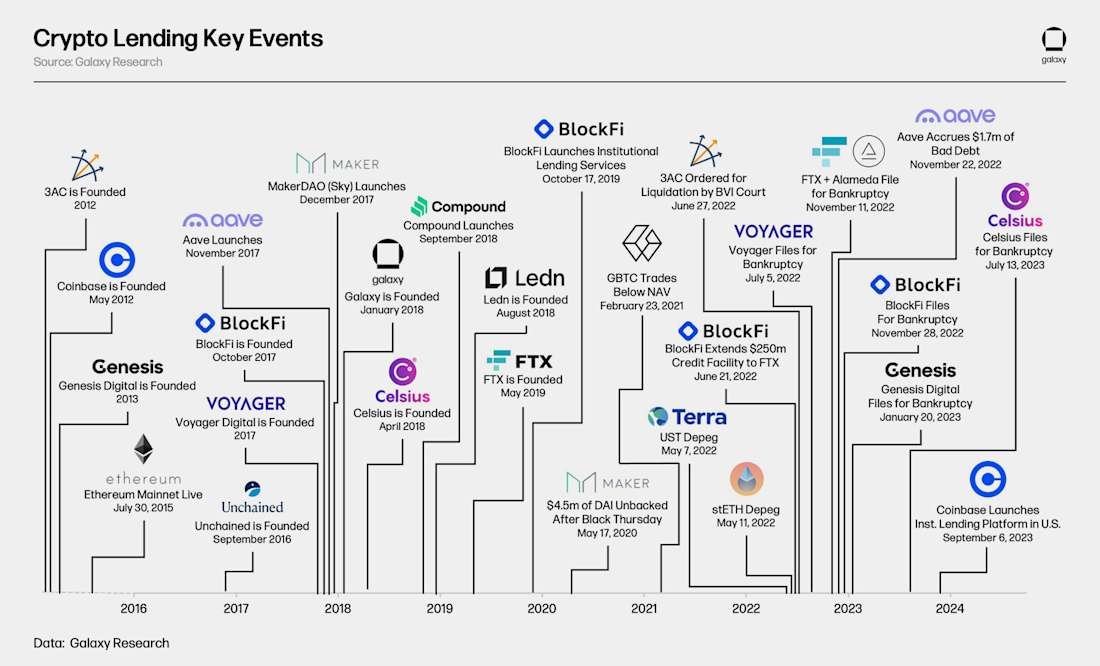
Prioritize platforms that publish real-time proof of reserves. Look for third-party attestations from major audit firms like CertiK or OpenZeppelin. If a platform relies on quarterly PDF reports, treat it as a lagging indicator. Real-time on-chain data allows you to see if the platform is over-leveraged before a market dip hits.

High yields often mask liquidity traps. Check historical withdrawal success rates during volatile periods. The UK’s FCA has warned that crypto lending poses "risks of significant harm," including liquidity restrictions during stress events. A platform that allowed instant withdrawals during the 2022 crash is structurally different from one that froze funds.

Identify who holds your assets. Are they held in a custodial wallet controlled by the platform, or in a multi-sig wallet with independent signers? The dominant lenders like Tether and Nexo operate as centralized entities, meaning your assets are exposed to their corporate risk. If the platform fails, you are an unsecured creditor.

Nominal APY is misleading. Subtract platform fees, network gas costs, and potential slippage when moving funds in or out. A 10% APY with a 2% withdrawal fee and high gas costs may result in a net negative return for short-term holders. Focus on long-term hold strategies where fees are amortized over time.
This approach moves you away from speculative yield farming and toward infrastructure analysis. By focusing on transparency and counterparty strength, you can identify lending platforms that are built to last rather than just offering high short-term returns.
Watchouts in the 2026 Crypto Lending Market
The infrastructure shift in crypto lending has not eliminated risk; it has merely relocated it. While centralized finance (CeFi) giants like Tether and Nexo still command significant market share, the structural fragility remains a primary concern for retail investors. The FCA has explicitly warned that crypto lending presents risks of "significant harm," including the total loss of ownership and liquidity constraints that can freeze assets during market stress.
Many platforms market high yields that are mathematically unsustainable without exposing depositor funds to unmanaged leverage. When analyzing these options, look for clear disclosures on how yield is generated. If a platform cannot explain the underlying asset or borrower risk, it is likely masking credit risk behind marketing. Avoid platforms that promise fixed, high returns without transparent collateralization ratios.
Another common mistake is ignoring regulatory jurisdiction. The best crypto lending platform in the USA is not necessarily the one with the highest yield, but the one operating within clear regulatory frameworks. Always verify if a platform is registered with relevant financial authorities or if it operates in a regulatory gray area. This distinction is critical for fund recovery in the event of insolvency.
Finally, be wary of platforms that allow you to borrow against volatile assets like XRP without strict liquidation protocols. Borrowing against crypto is viable only when the loan-to-value ratio provides a sufficient buffer against price swings. Without this, a minor market dip can trigger automatic liquidation, resulting in immediate loss of your principal.
Crypto lending analysis: common: what to check next
Before committing capital to crypto lending, it is essential to separate marketing claims from operational reality. The infrastructure has shifted significantly since the 2022 market crash, moving from opaque CeFi models toward more transparent, on-chain protocols. Below are direct answers to the most frequent practical objections readers encounter when evaluating yield opportunities.
No comments yet. Be the first to share your thoughts!