Crypto lending limits to account for
Crypto lending offers yield, but the infrastructure carries distinct risks that differ from traditional finance. The primary constraint is not just market volatility, but the structural integrity of the lending platform and the collateralization model.
Smart contract risk
Lending protocols execute via code. If the smart contract contains a vulnerability, funds can be drained regardless of the underlying asset's value. Unlike a bank, there is no deposit insurance. Users must audit the code or rely on established protocols with a long track record of security. This is the single biggest point of failure in decentralized lending.
Liquidation cascades
When the value of collateral drops below a threshold, the loan is liquidated. In thin markets, this can trigger a cascade of forced sales, driving prices down further and liquidating other positions. This feedback loop can wipe out value quickly. Lenders must monitor their loan-to-value ratios closely and maintain buffers against sudden market swings.
Counterparty risk
In centralized lending platforms, you are exposed to the solvency of the lender. If the platform mismanages funds or faces a liquidity crisis, your assets may be frozen or lost. The collapse of major lenders in recent years highlights this risk. Always verify the platform's reserve proof and regulatory status before depositing funds.
Regulatory uncertainty
Lending regulations vary by jurisdiction and are evolving rapidly. Some platforms may restrict access in certain regions, or face legal challenges that impact operations. This uncertainty can affect the availability of lending products and the stability of yields.
Yield sustainability
High yields often signal higher risk. Sustainable yields come from real economic activity, such as borrowing for trading or liquidity provision. Unsustainable yields may be subsidized by token emissions, which can collapse when incentives end. Evaluate the source of the yield to determine its longevity.
Crypto lending choices that change the plan
Crypto Lending works best as a clear sequence: define the constraint, compare the realistic options, test the tradeoff, and choose the path with the fewest hidden costs. That order keeps the advice usable instead of decorative. After each step, pause long enough to check whether the recommendation still fits the reader's actual situation. If it depends on perfect timing, unusual access, or a best-case budget, include a simpler fallback.
| Factor | What to check | Why it matters |
|---|---|---|
| Fit | Match the option to the primary use case. | A good deal still fails if it does not fit the job. |
| Condition | Verify age, wear, and service history. | Hidden condition issues erase upfront savings. |
| Cost | Compare purchase price with likely upkeep. | The cheapest option is not always the lowest-cost option. |
How to evaluate crypto lending risks
Crypto lending is not a passive income stream; it is a structured credit transaction with distinct failure modes. When evaluating platforms, you are assessing their solvency, liquidity management, and legal standing. Use this framework to separate functional lending protocols from high-risk speculation.

Every loan requires collateral to protect the lender. In decentralized finance (DeFi), smart contracts automatically liquidate assets if their value drops below a safety threshold. If a platform lacks transparent liquidation triggers or allows excessive leverage (e.g., 10:1), your principal is at risk. Look for platforms that maintain over-collateralization ratios above 110% to absorb market volatility.
Not all collateral is created equal. Bitcoin and Ethereum are liquid and stable relative to the market, but lending against volatile altcoins or illiquid tokens can lead to immediate insolvency during downturns. Ensure the platform clearly discloses the loan-to-value (LTV) ratios for each asset. Avoid platforms that accept low-cap tokens as primary collateral without significant haircuts.
Centralized lending platforms operate as financial institutions. Verify their licensing status and jurisdiction. Platforms operating in unregulated jurisdictions or with opaque corporate structures pose regulatory risks. If a platform halts withdrawals, your only recourse is legal action. Prefer platforms with clear legal entities in reputable financial hubs.
Examine the platform’s history for hacks, exploits, or service outages. A single major breach can drain the lending pool entirely. Check if the platform has a bug bounty program and has undergone third-party smart contract audits. Transparency in reporting incidents is a strong indicator of operational maturity.
| Feature | Centralized | Decentralized |
|---|---|---|
| Custody | Platform holds assets | User holds assets in wallet |
| KYC | Usually required | Not required |
| Insurance | Sometimes offered | Rarely offered |
| Transparency | Opaque balance sheets | On-chain verified |
The choice between centralized and decentralized lending depends on your priority: convenience or sovereignty. Centralized platforms offer higher yields but require trust in a third party. Decentralized platforms offer transparency but demand technical proficiency and carry smart contract risk. Always start with a small amount to test the withdrawal process before committing significant capital.
Watchouts: Weak Options and Misleading Claims
Not all crypto lending products are built the same. While real-world asset (RWA) yields offer a bridge to traditional finance, they also introduce new layers of complexity and risk. The market is littered with platforms that promise high returns but hide critical infrastructure flaws or misleading yield mechanics.
1. Unaudited RWA Yield Claims
Many platforms advertise yields of 10-15% from "tokenized treasury bills" or "real estate." Without a recent, independent audit, these numbers are often theoretical or based on optimistic collateral valuations. Always verify the underlying asset's legal structure and liquidity. If the platform cannot provide a clear, audited trail of the underlying RWA, treat the yield as speculative rather than guaranteed.
2. Over-Collateralized Lending with Thin Liquidity
Borrowing against your crypto (e.g., "Can I borrow against my XRP?") is standard, but the risk lies in liquidation thresholds. Some platforms use outdated oracle prices or have shallow order books. During a market dip, you may face immediate liquidation even if your collateral is technically sufficient. Check the platform's liquidation history and oracle update frequency. A platform that hasn't undergone a stress test in volatile markets is a weak option.
3. "Best Platform" Marketing vs. Actual User Experience
Search results often highlight platforms with the largest marketing budgets, not the most secure infrastructure. The "best crypto lending platform" is rarely the one with the highest yield; it's the one with the strongest security track record and transparent governance. Look for platforms that have undergone third-party security audits and have a clear history of handling user funds without incident. Avoid platforms that rely solely on influencer promotions without verifiable technical documentation.
4. Hidden Fees and Slippage
Some platforms advertise low borrowing rates but charge high platform fees, withdrawal fees, or impose significant slippage on repayments. Always calculate the all-in cost of borrowing or lending. A 5% APR loan with a 2% origination fee is effectively 7%+ APR. Compare the total cost of capital across platforms, not just the headline rate.
5. Regulatory Ambiguity and Custody Risks
Many lending platforms operate in regulatory gray areas. If a platform is not registered or licensed in your jurisdiction, your funds may not be protected. Additionally, check if the platform uses segregated custody or commingled funds. Commingled funds increase the risk of insolvency during a platform-wide failure. Opt for platforms that clearly disclose their custody arrangements and regulatory status.
Crypto lending: what to check next
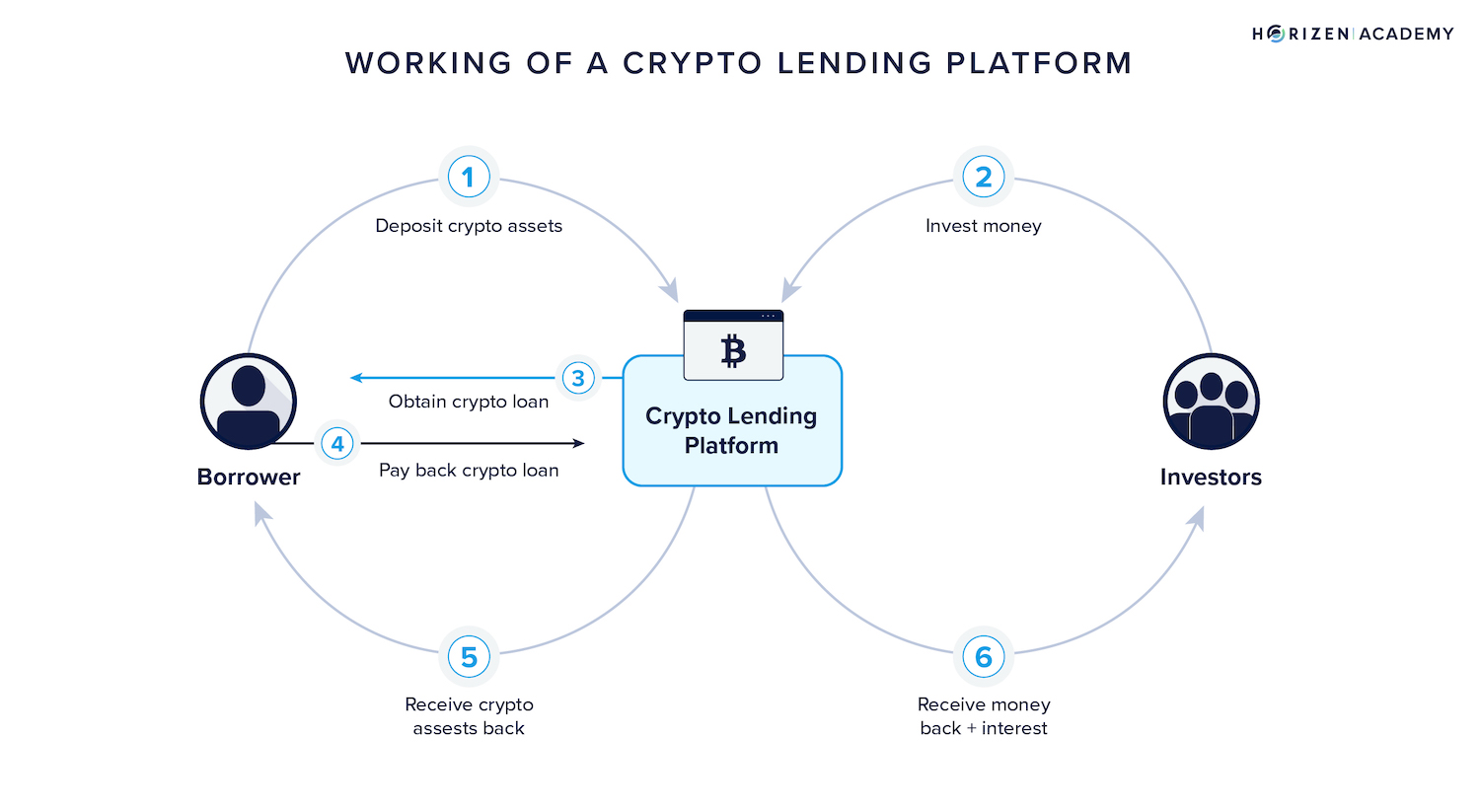
Crypto lending platforms connect borrowers with investors, allowing you to earn yield on idle assets or access liquidity without selling your holdings. Understanding the mechanics and risks helps you navigate this high-stakes market.
No comments yet. Be the first to share your thoughts!